

|
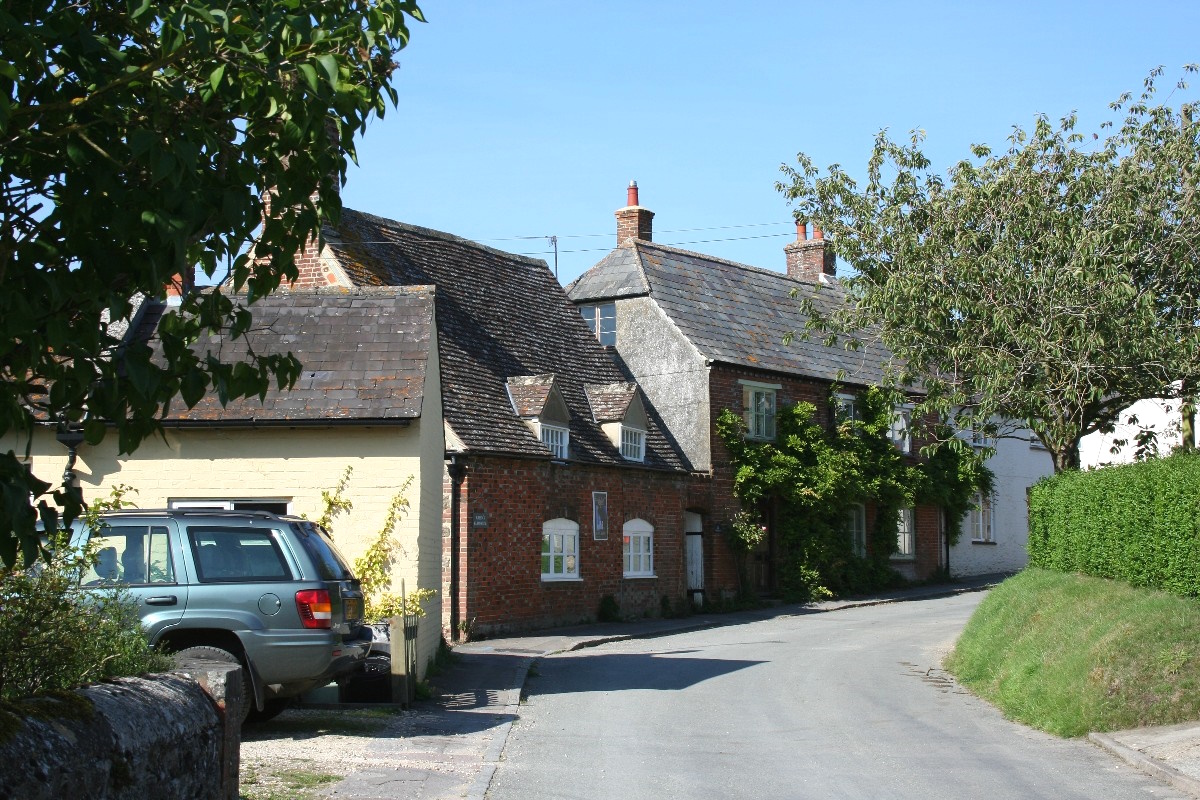
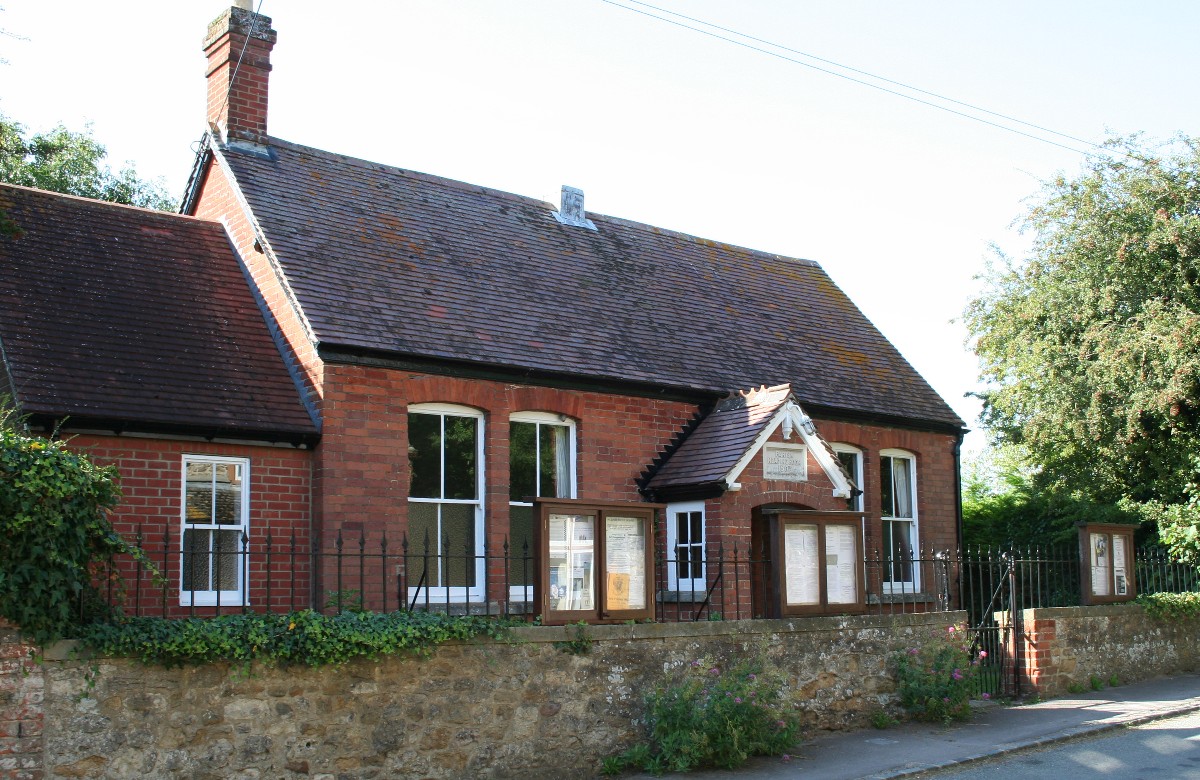
GREAT COXWELL
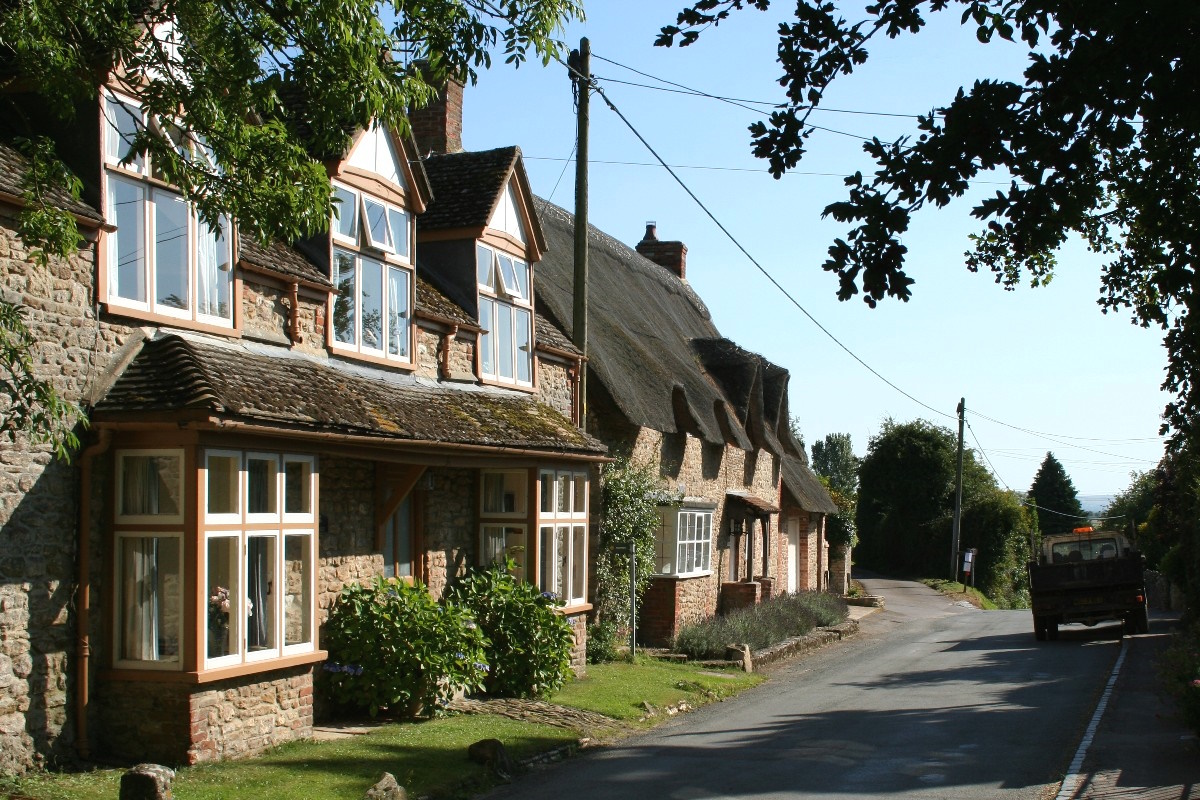
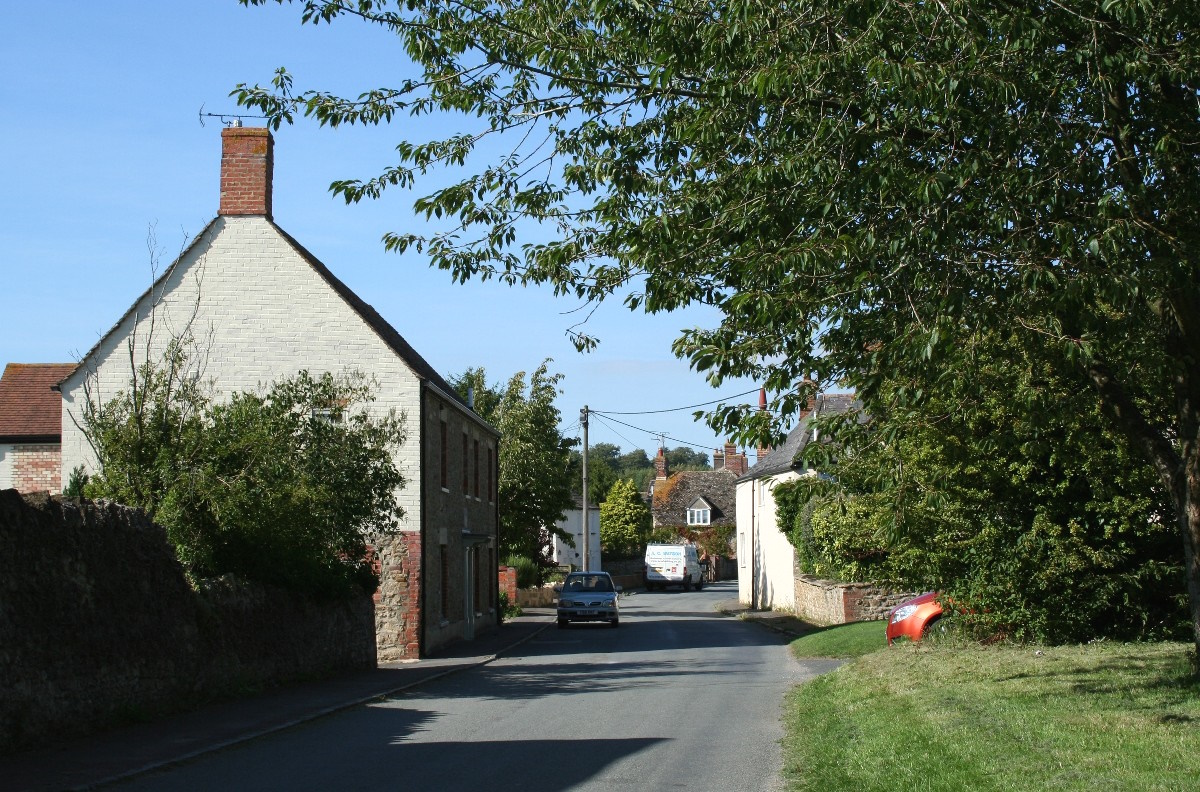
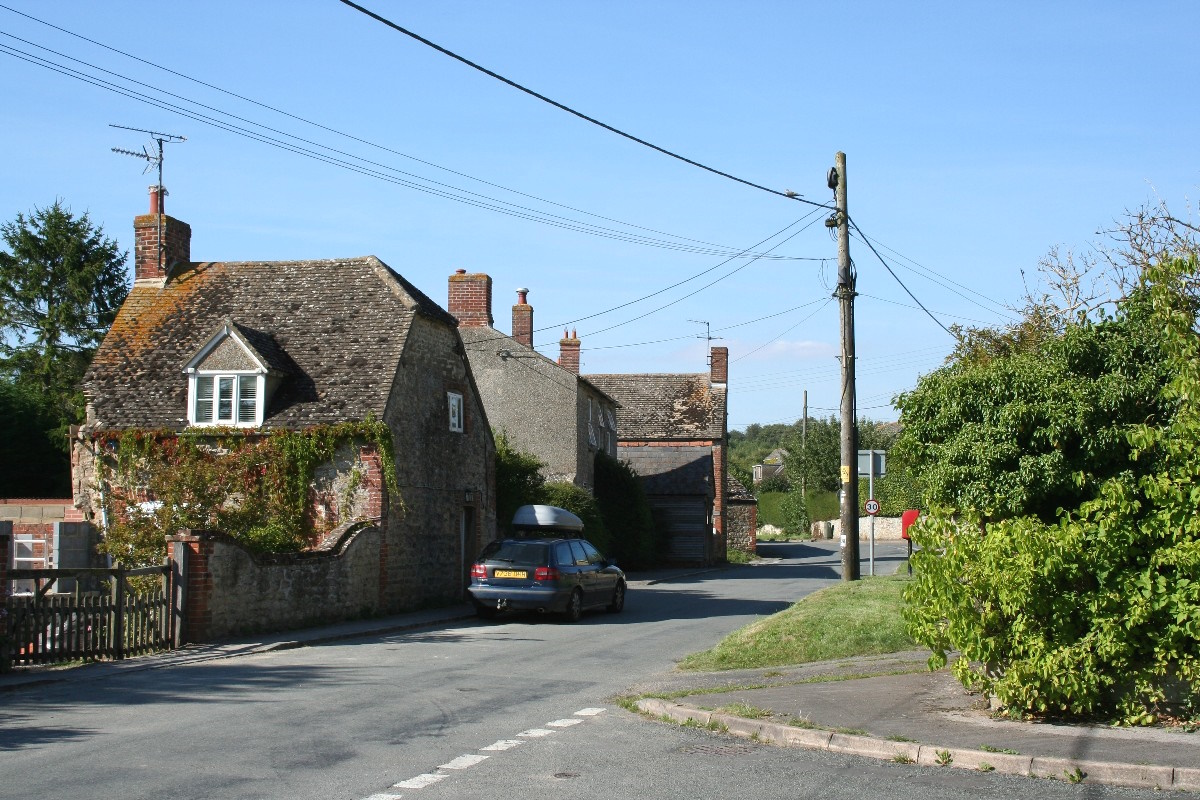
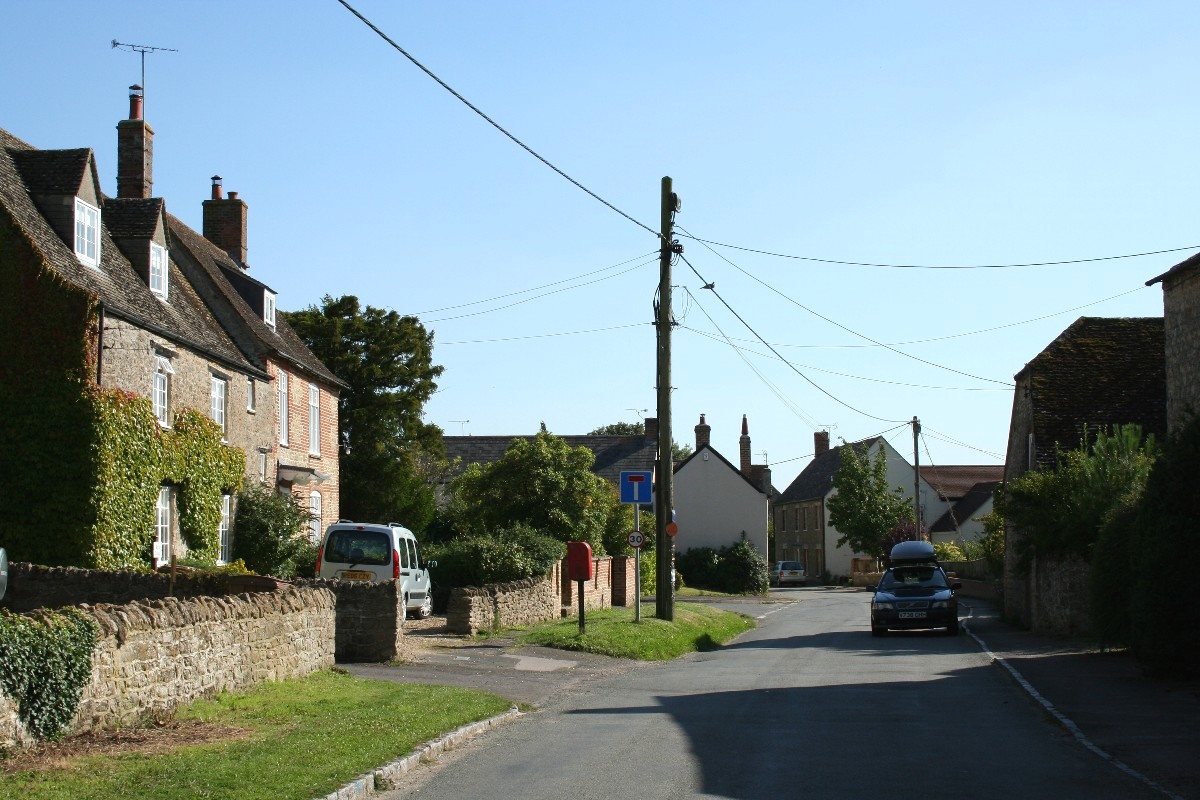
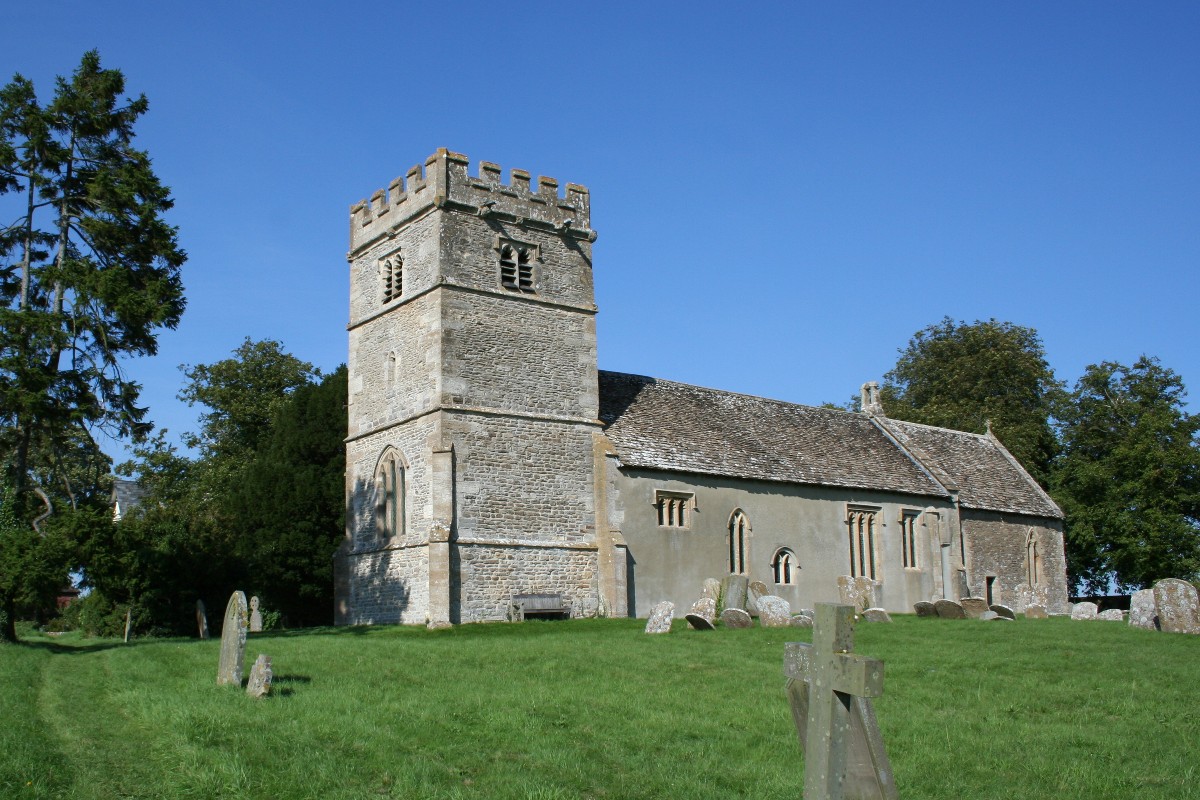
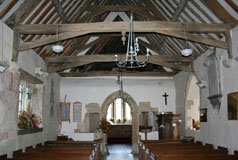
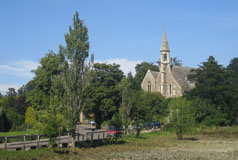
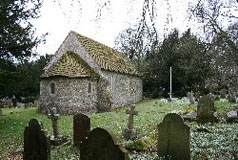
The small 12th century church of St Giles stands on the site of an earlier Saxon church. Parts of the present building date from the 12th century and the tower is 14th century and has Cotswold stone gargoyles. For the history and full information about St. Giles' Church click here. From
the south side of the churchyard there is a distant view
of the Uffington
White Horse. This well-known prehistoric hill figure
is carved into the hillside above the village of Woolstone.
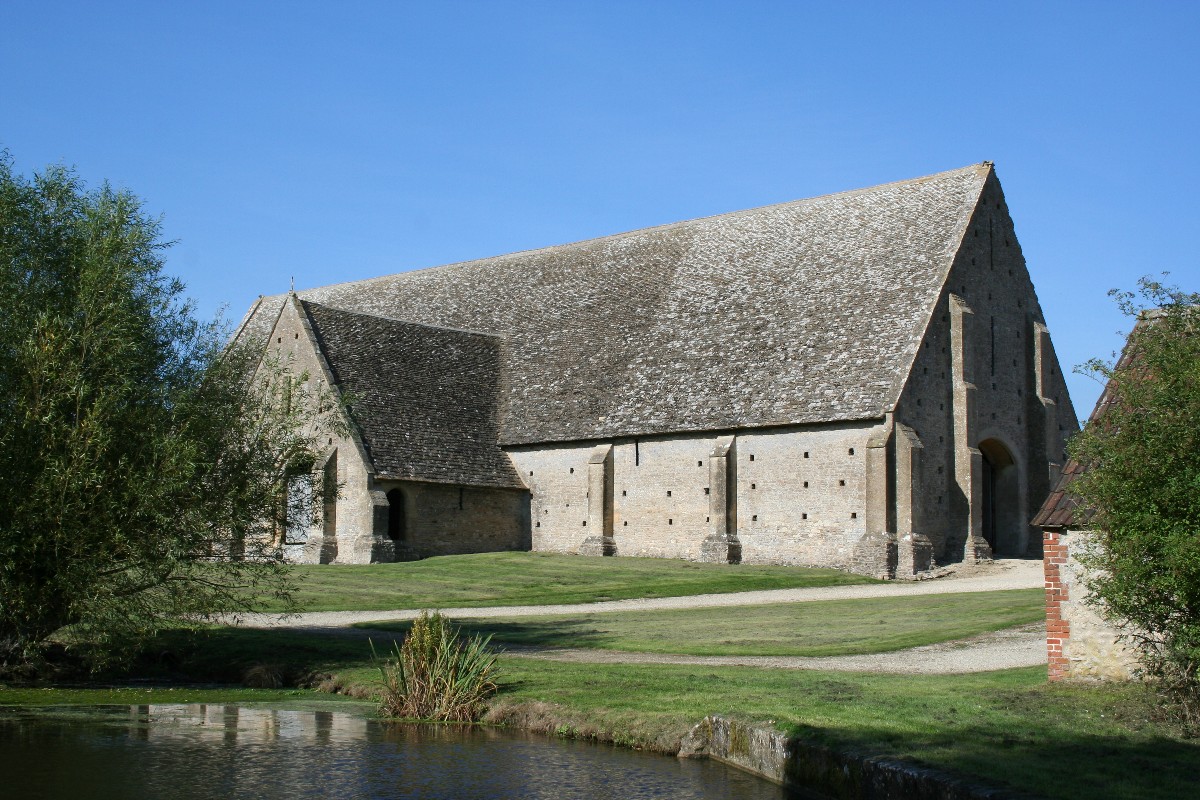
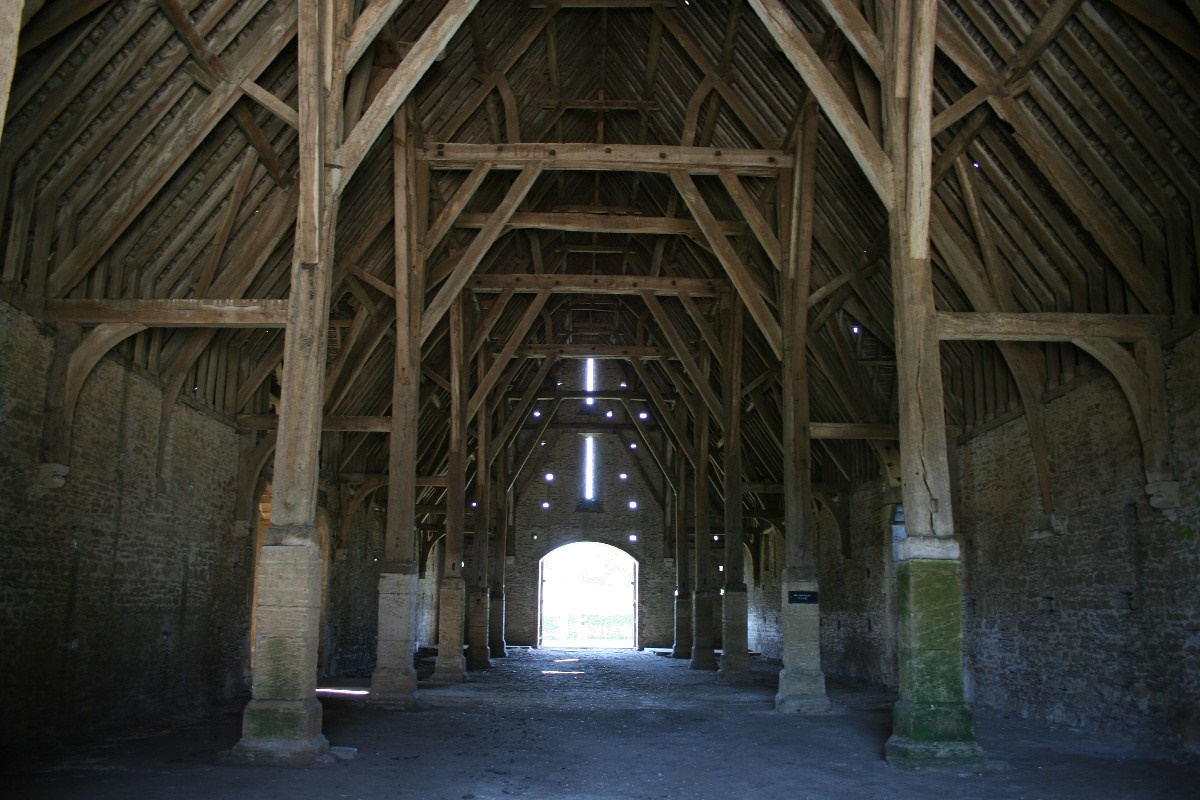
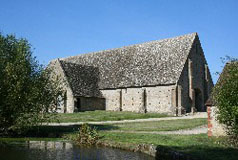
At 360ft The well-known Great Coxwell Barn, which was completed in the middle of the 13th century and is the finest surviving medieval barn in the country, is now owned by the National Trust and is just outside the village. It is an impressive 152 feet long Cotswold stone barn with Cotswold stone tiles supported by oak posts which sit on top of 22 feet high stone posts. Much of the original oak roof structure was replaced in deal in the 19th century but the posts and main and intermediate trusses are original. In the 20th century extensive repairs were carried out by the National Trust. The Great Barn and parts of the nearby Court House are all that remain of the 13th century Grange, once belonging to Beaulieu Abbey in Hampshire. Great Coxwell is about 2 miles south-west of Faringdon, just off the A420 Oxford to Swindon road. |
|
|||||||||||||||
 by
130ft, the White Horse can be seen from miles around,
with the best views probably from the London to Bristol
railway line which runs to the south of the village. Uffington
White Horse is by far the oldest of all Britain's hillside
white horse figures and there have been many theories
about its origin. These theories and the and many myths
about the White Horse and its surrounding landscape are
explored on
by
130ft, the White Horse can be seen from miles around,
with the best views probably from the London to Bristol
railway line which runs to the south of the village. Uffington
White Horse is by far the oldest of all Britain's hillside
white horse figures and there have been many theories
about its origin. These theories and the and many myths
about the White Horse and its surrounding landscape are
explored on