|
DORCHESTER-ON-THAMES
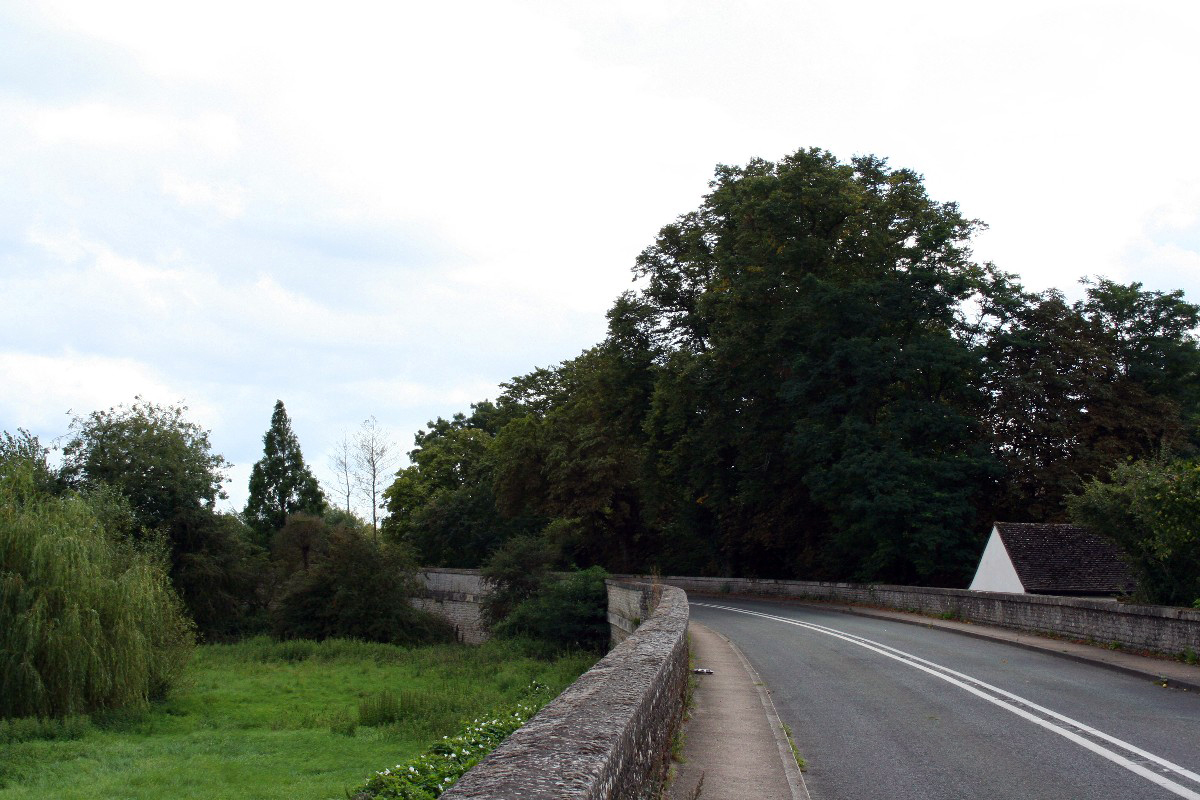
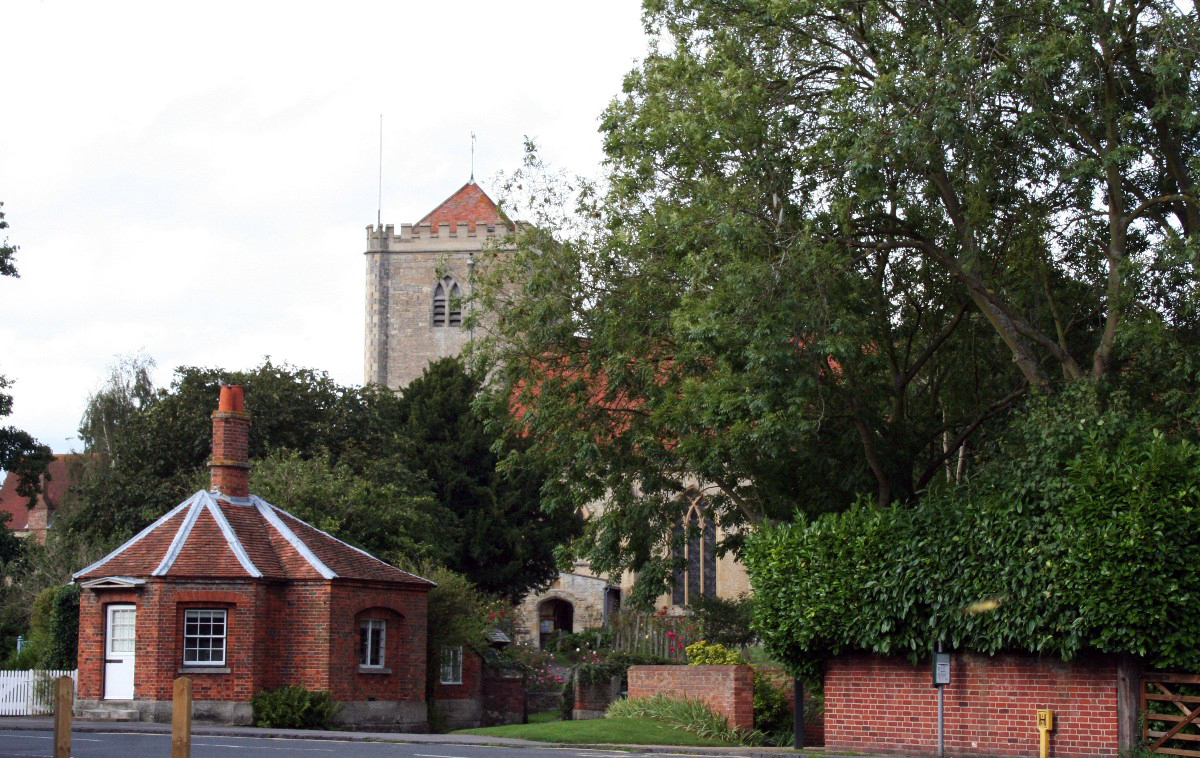
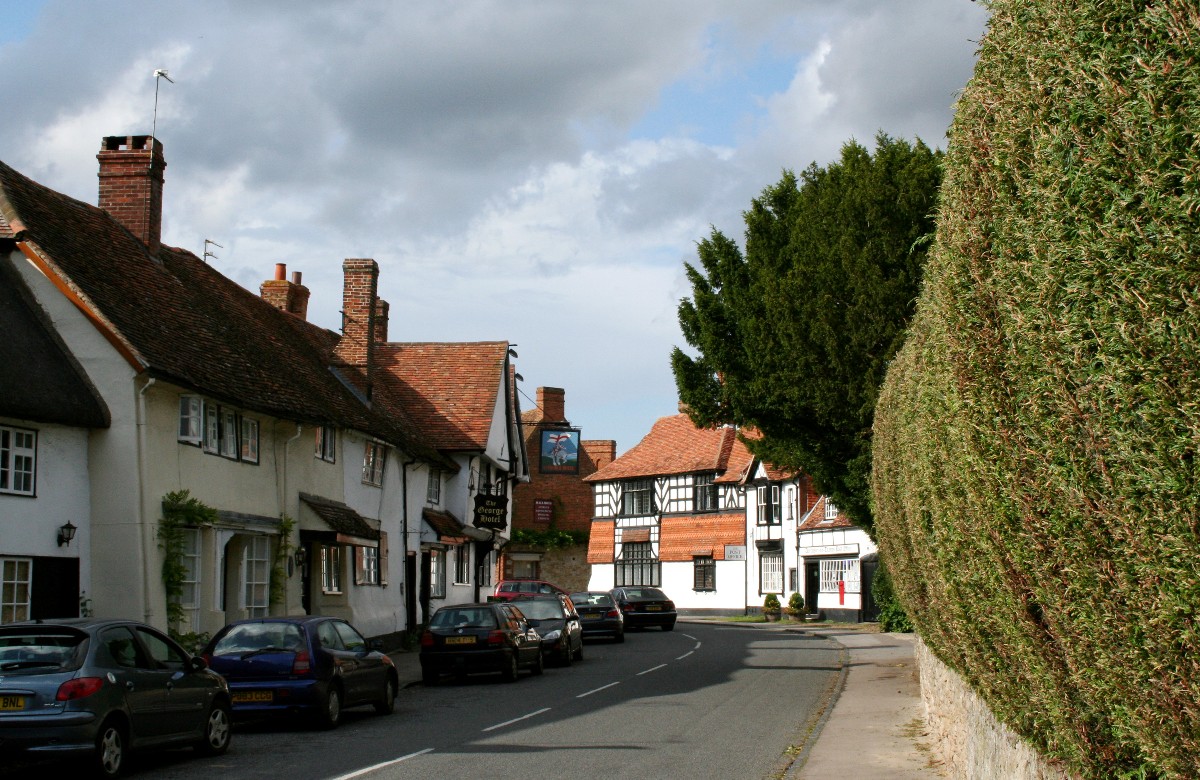
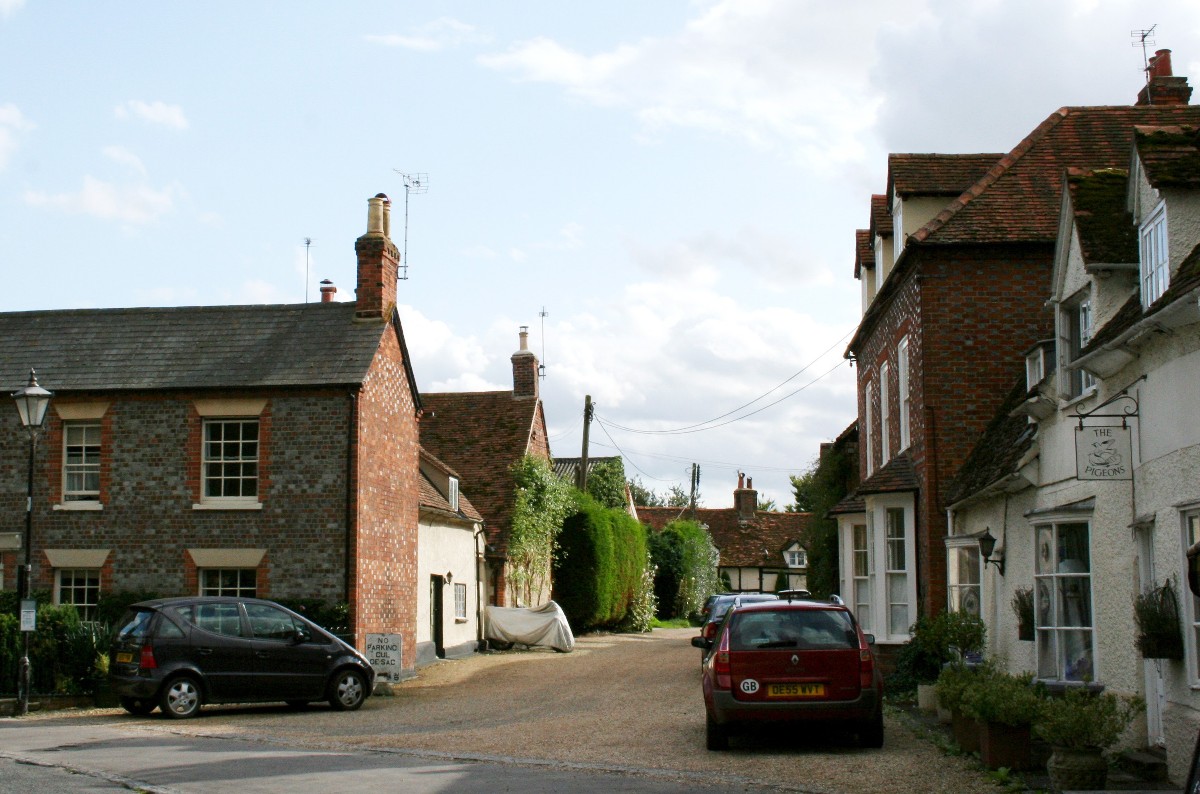
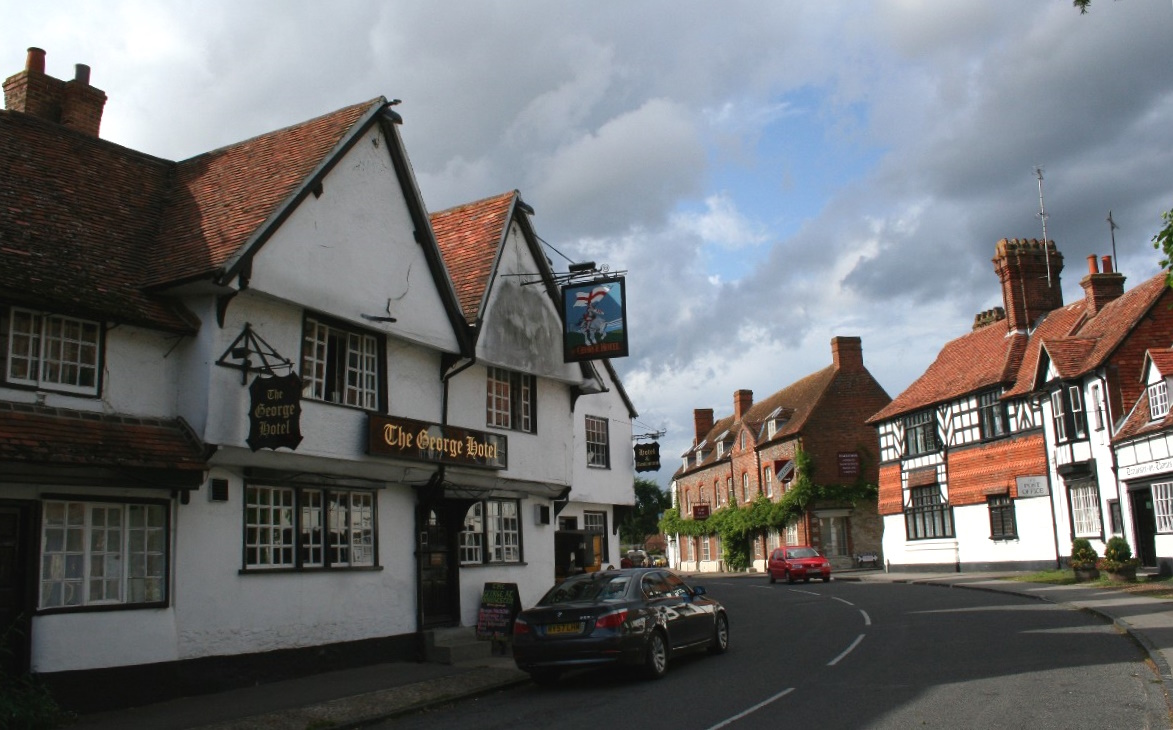
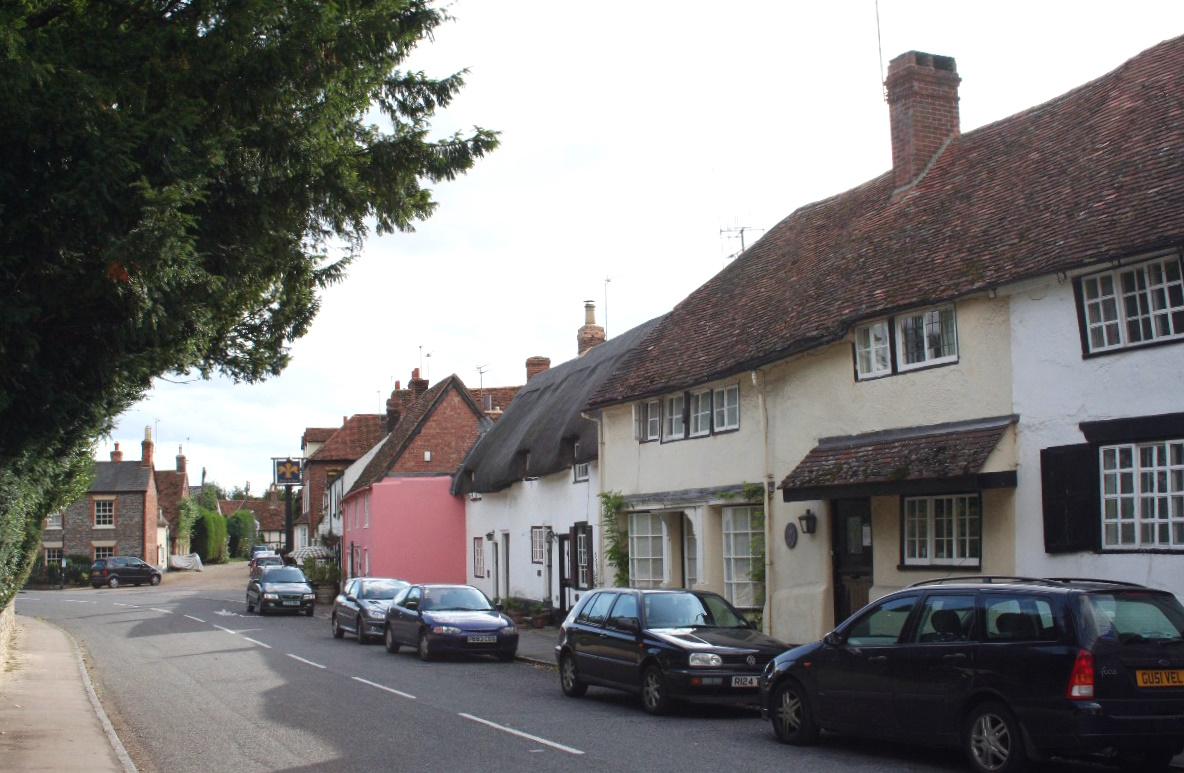
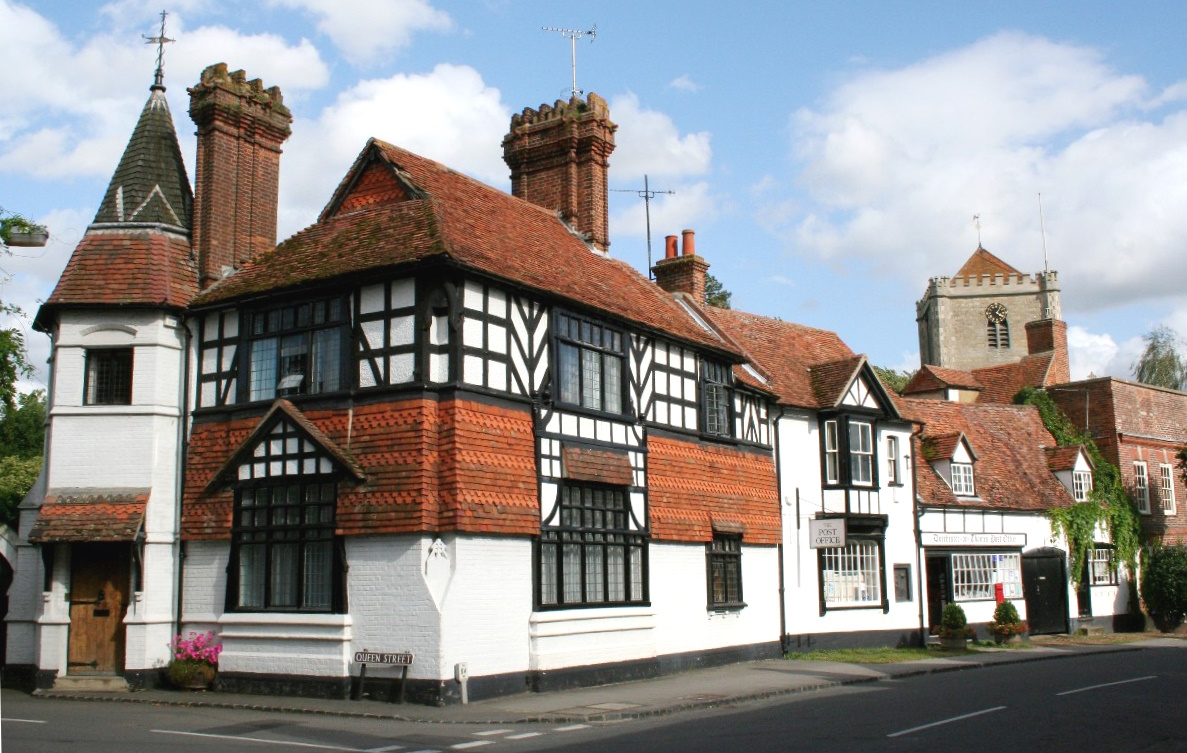
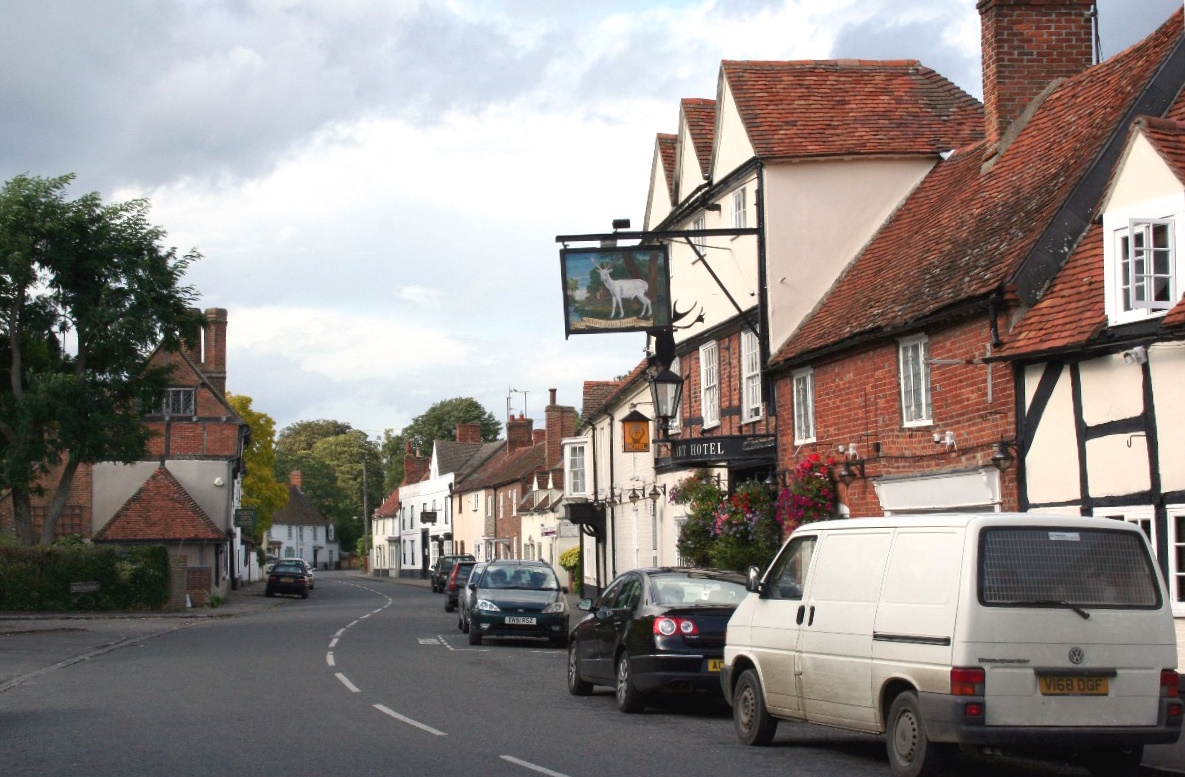
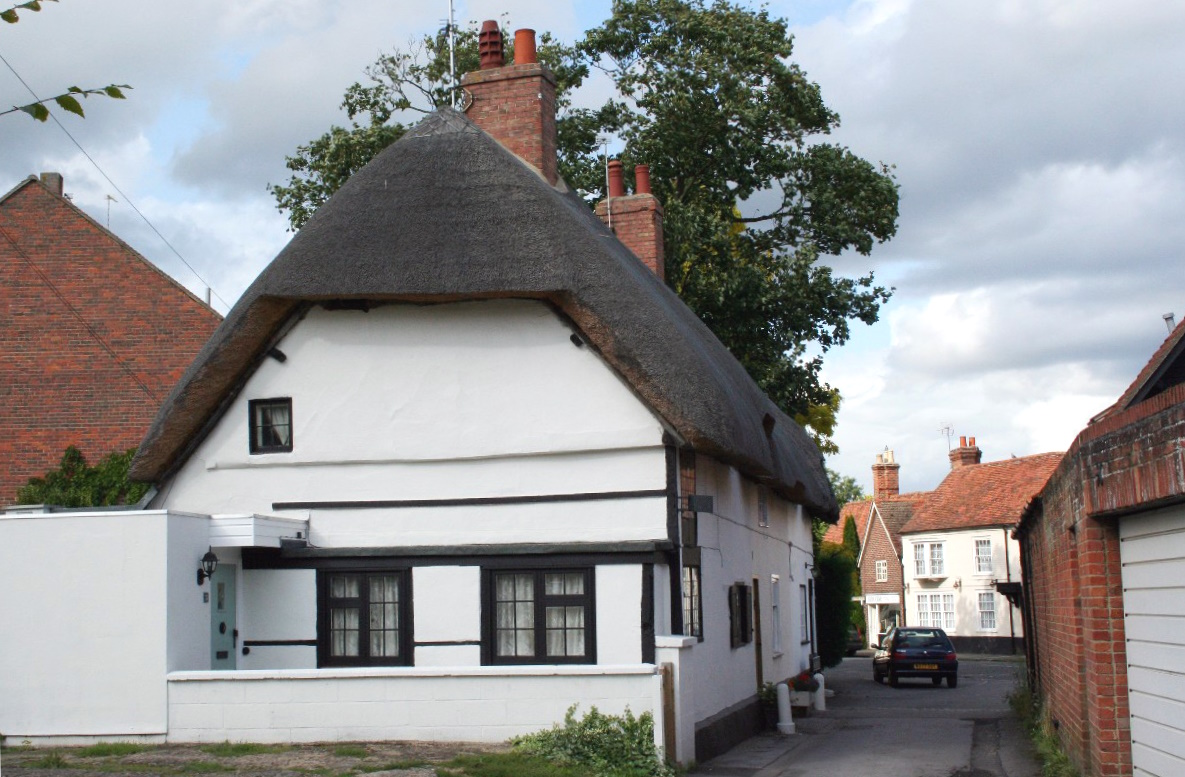
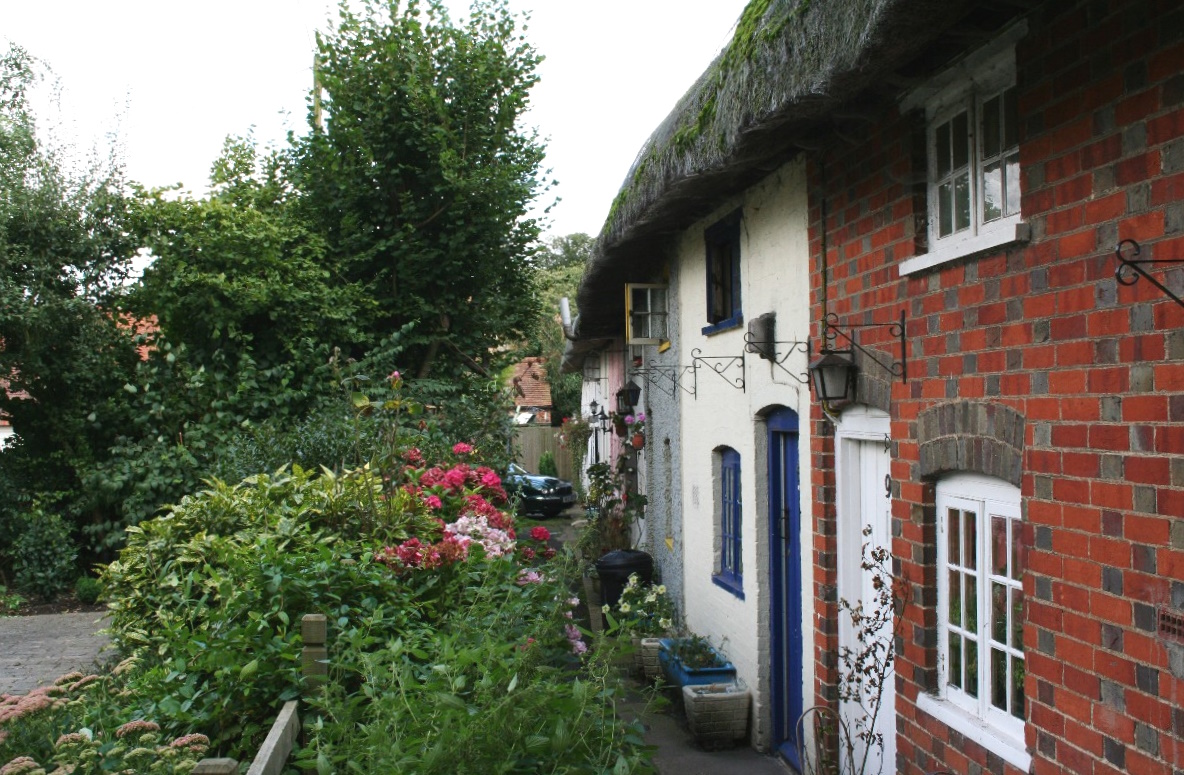
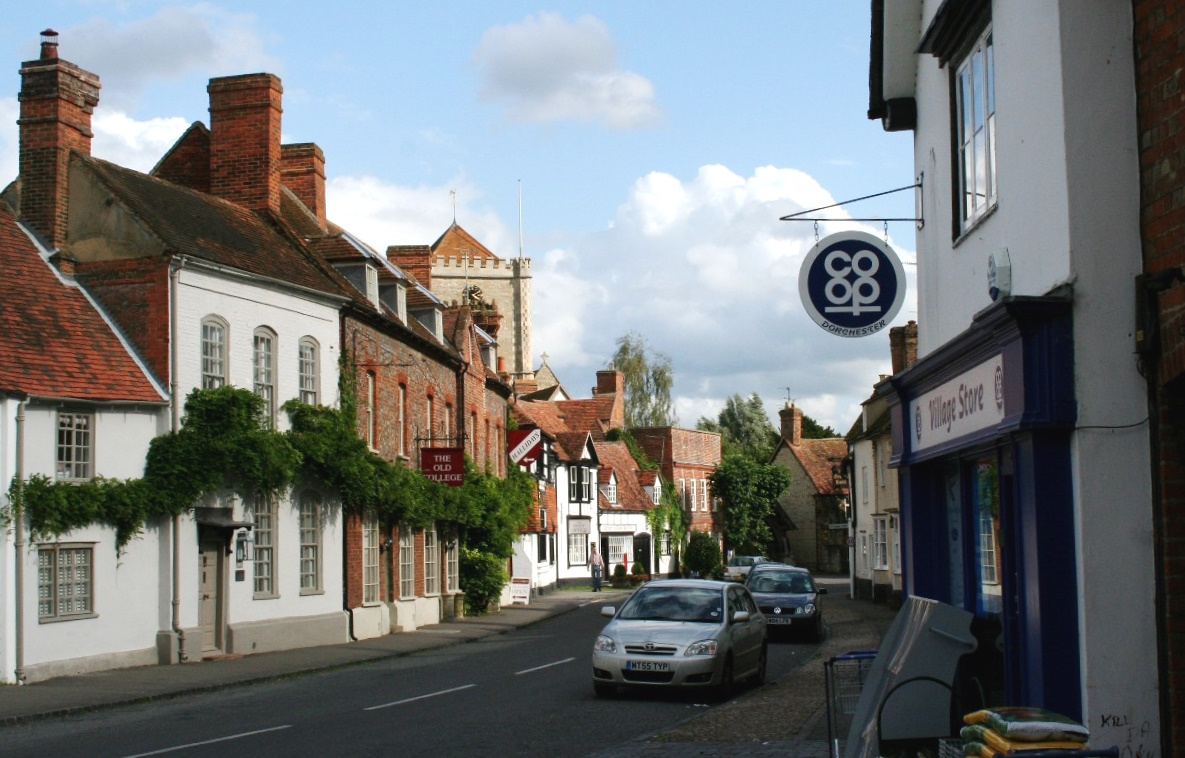
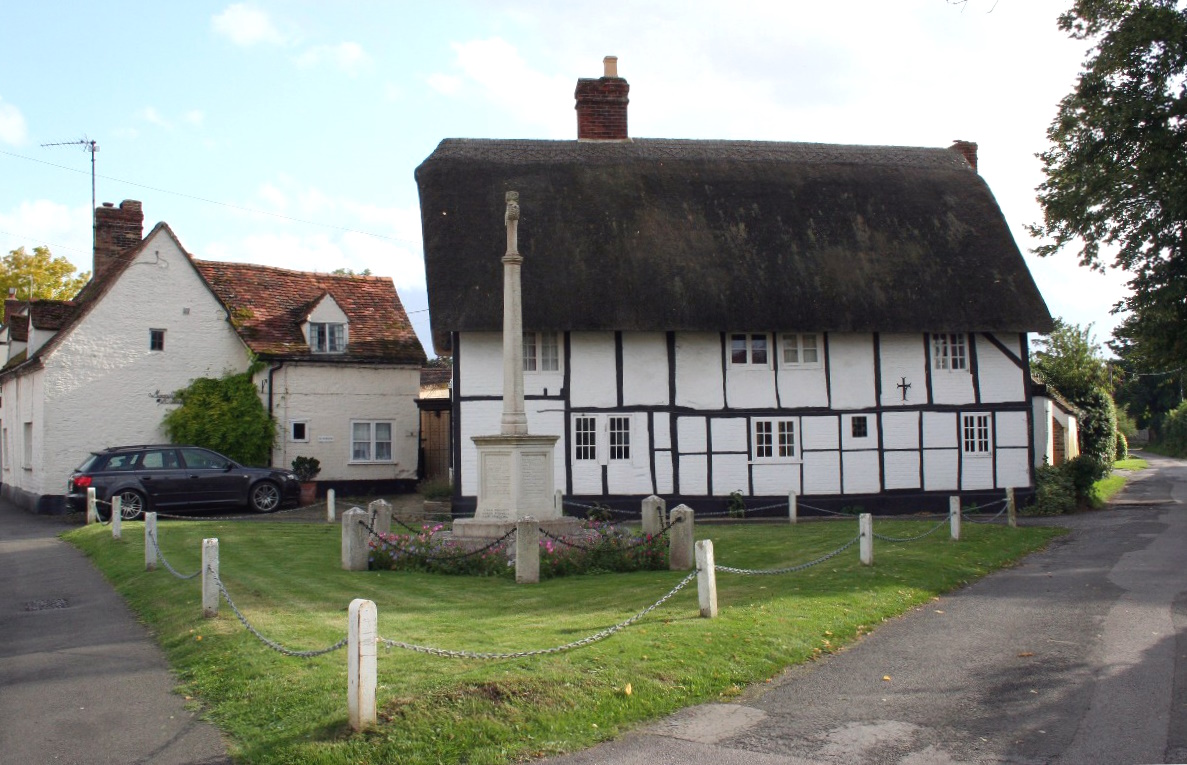
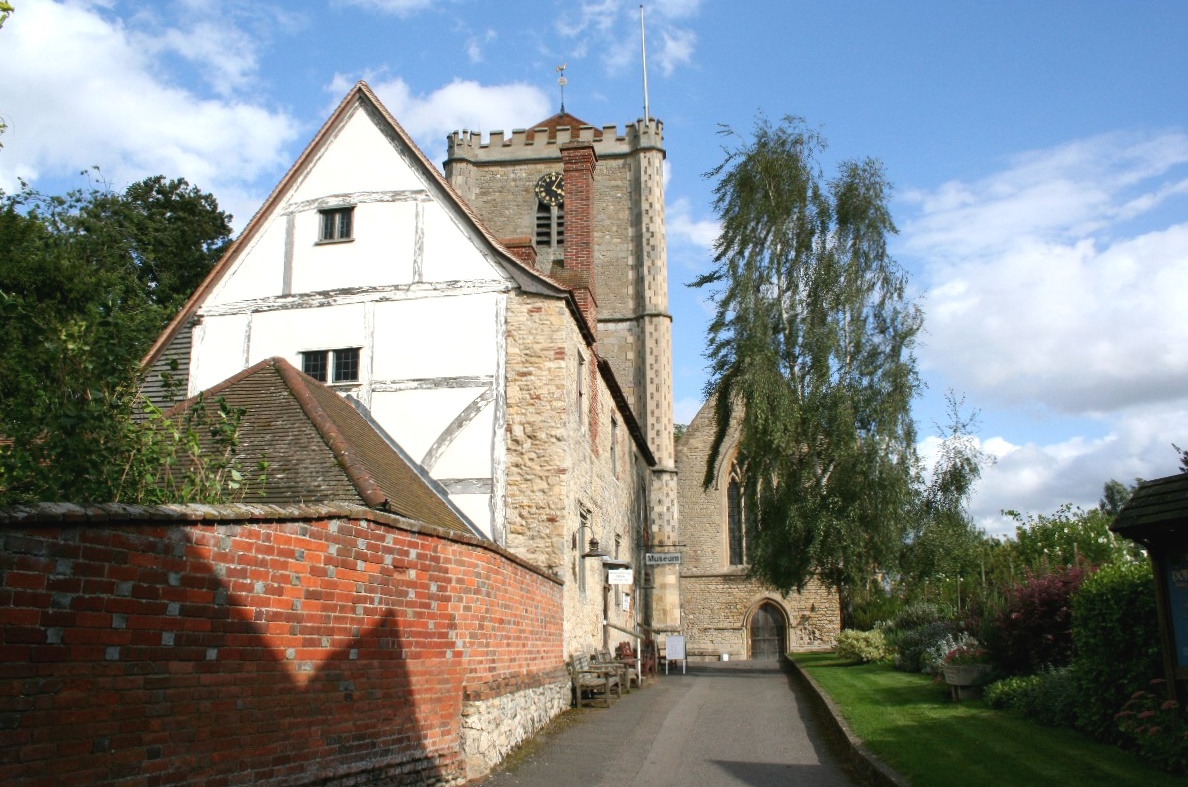
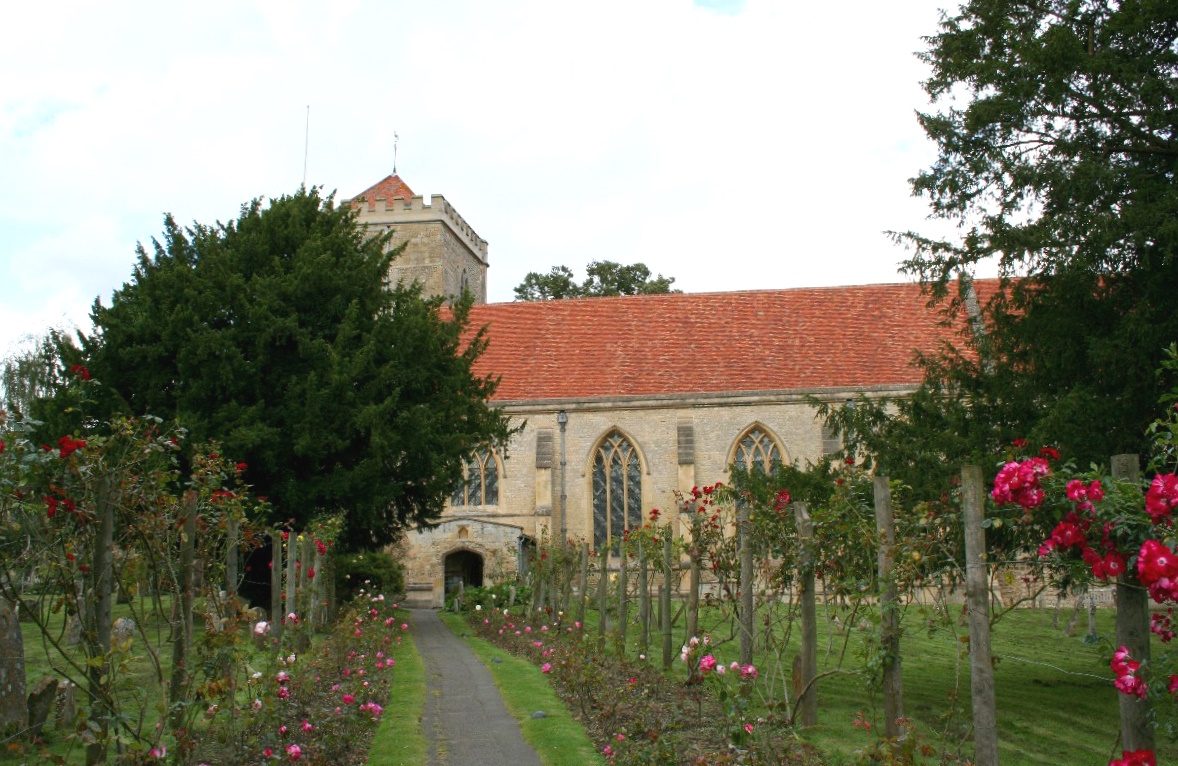
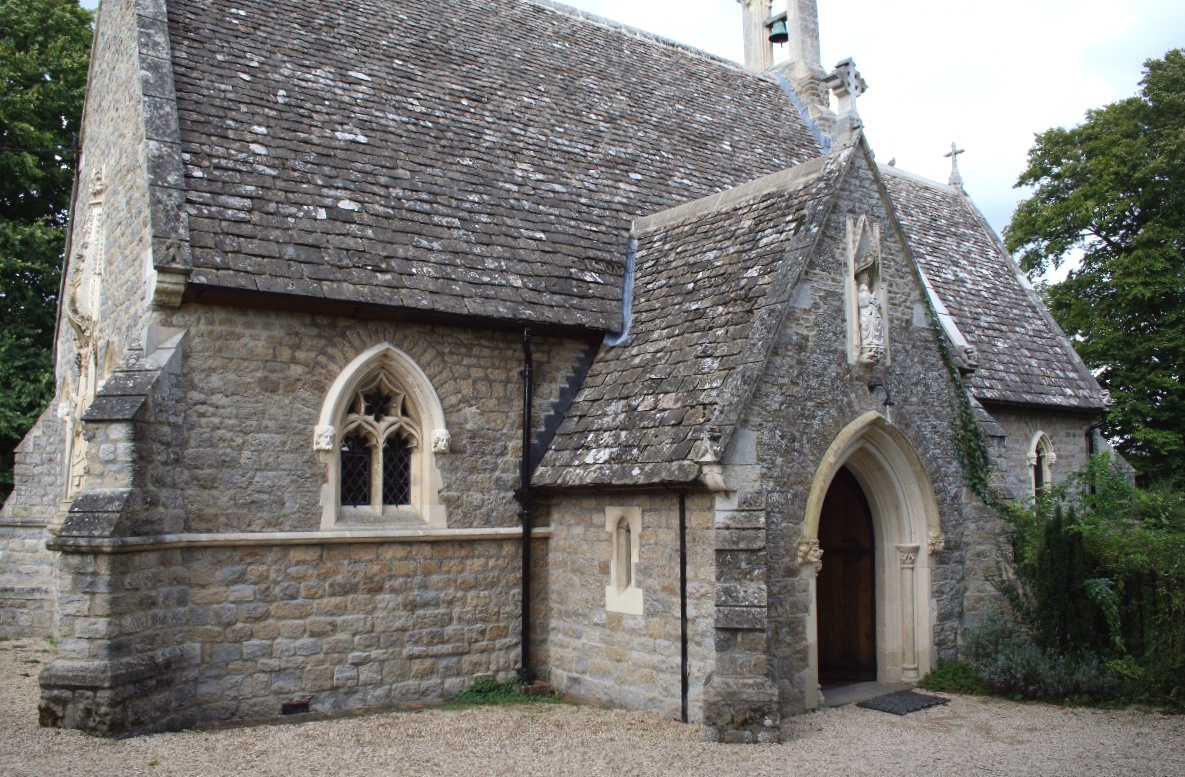
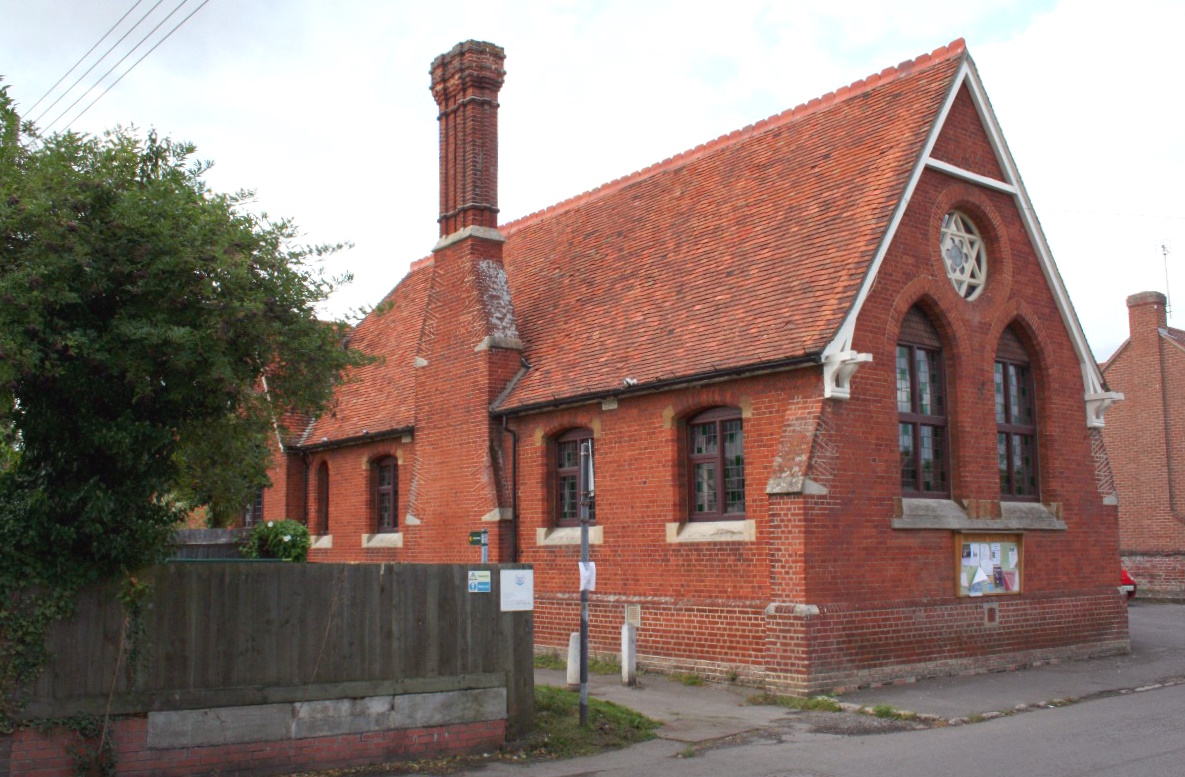
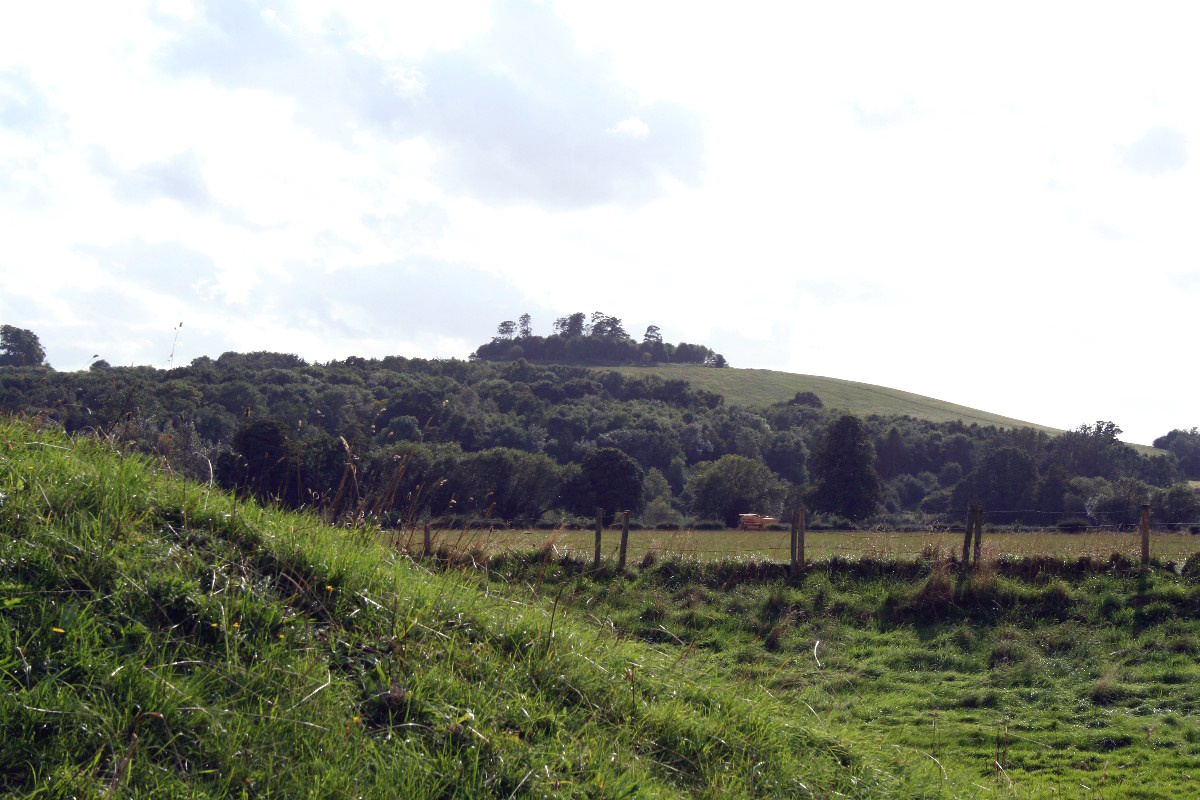
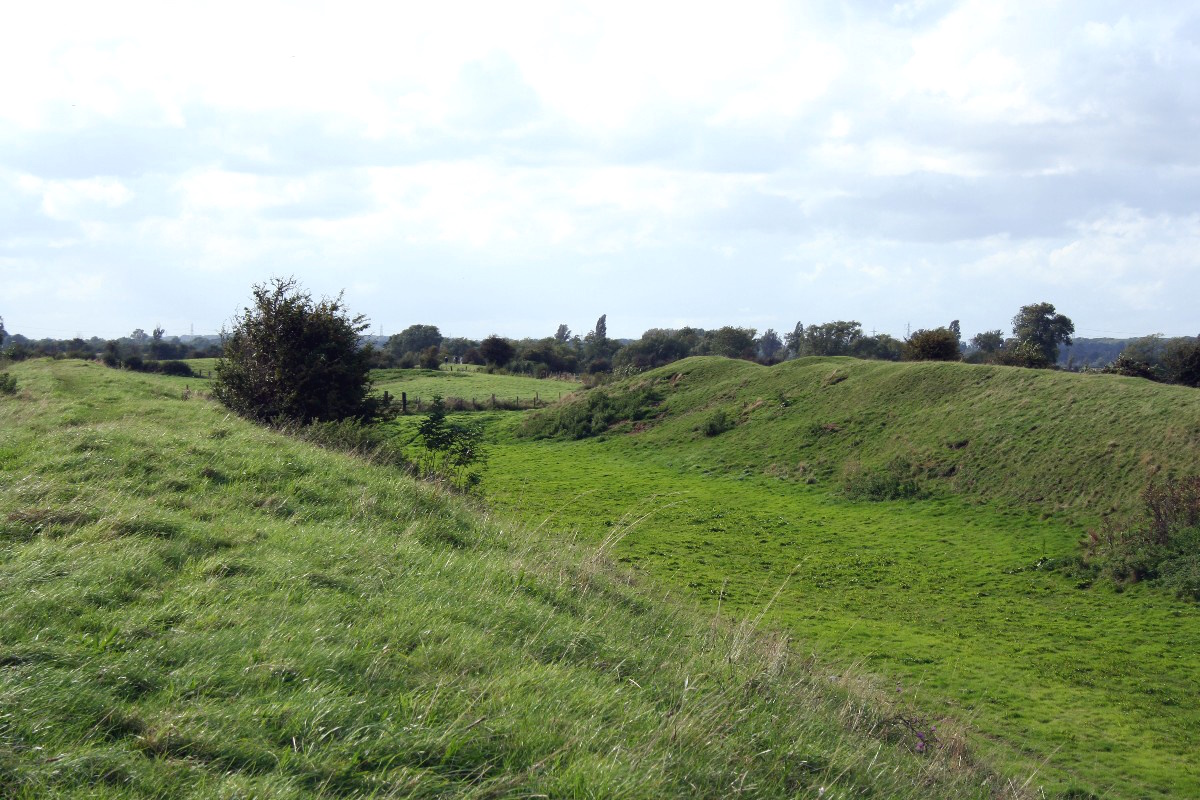
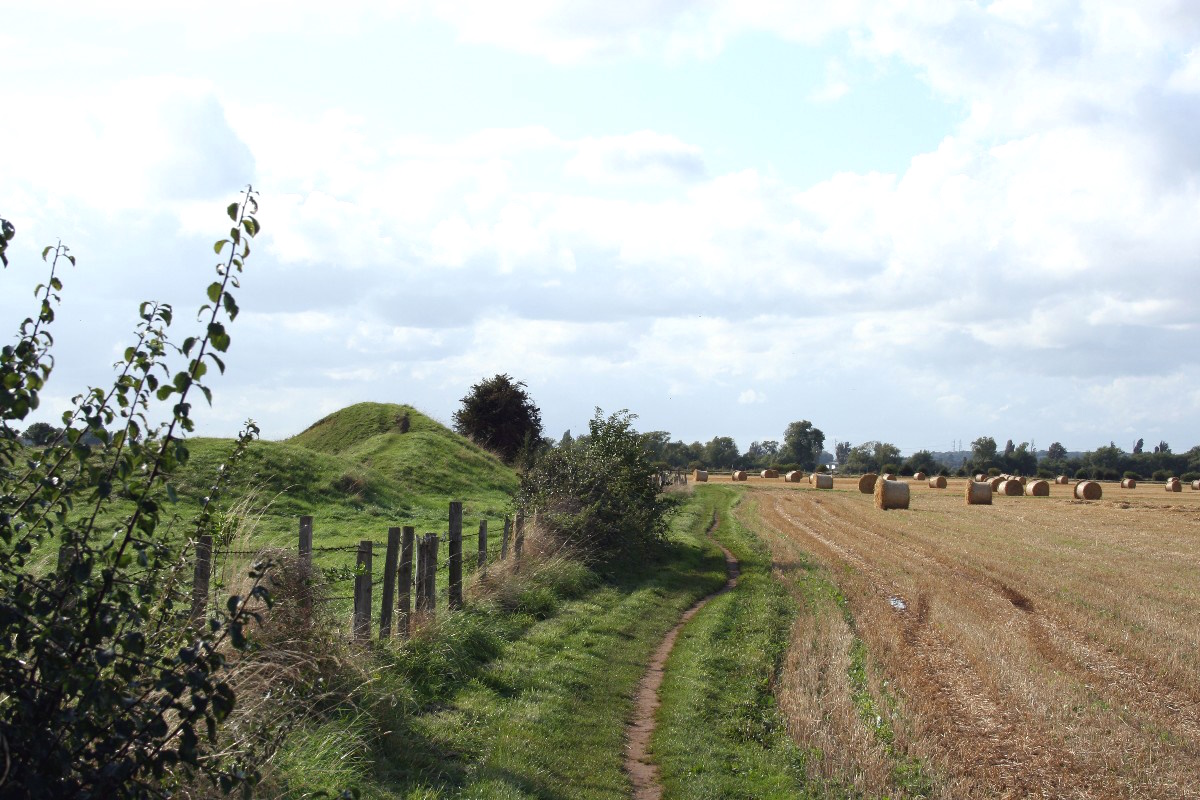
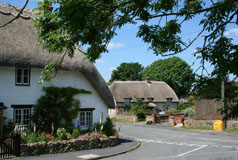
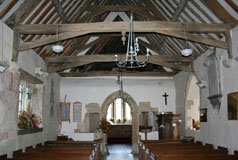
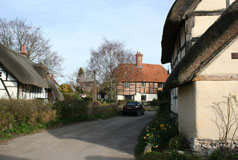
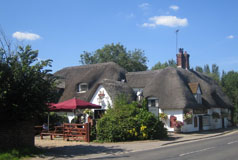
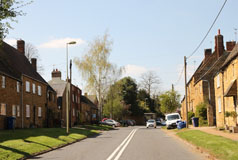
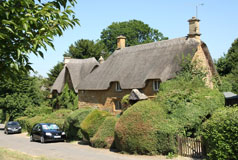
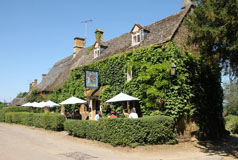
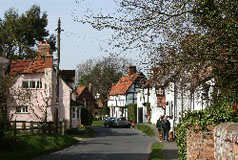
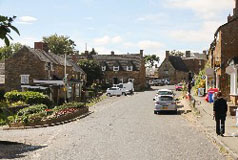
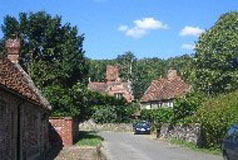
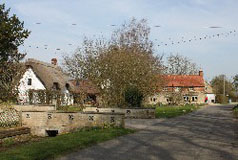
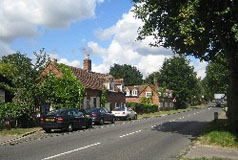
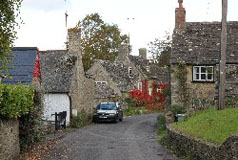
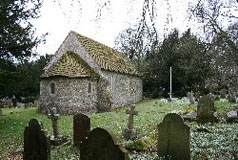
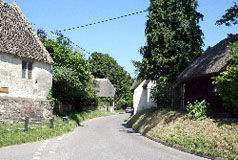
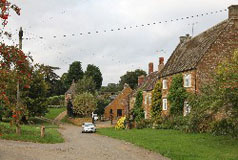
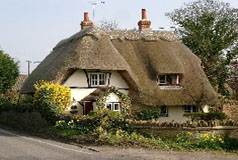
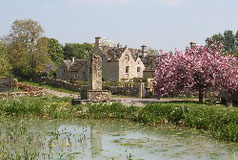
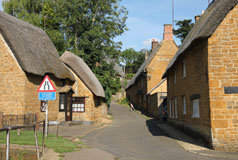
Along the High Street there are a number of fine period buildings which give the village its special character. Today Dorchester is firmly established on the tourist trail and Dorchester Abbey is clearly the main attraction. Two coaching inns remain out of the original ten, and antique shops are very prominent in the High Street. The bypass has removed most of the traffic and Dorchester is now pleasantly quiet with only local traffic passing through. The original church at Dorchester was built by St. Birinus who converted the Saxon King Cynegils and his court to Christianity, and the church eventually became the cathedral of Wessex before being demolished after the Norman conquest. It was replaced by an Augustinian abbey that, after dissolution, eventually became the parish church. Within the grounds of the Abbey the museum, giftshop and tearoom are housed in the former Abbey Guesthouse which was built to accomodate pilgrims, and over the site of the original monastery are the Cloister Gardens and Cloister Gallery. Apart from the Abbey Dorchester has a small Roman Catholic church, the Catholic Church of St. Birinus. Around the village, especially to the north, are a series of flooded gravel pits, some of which are owned by Orchid Lakes and used for angling. ne of the larger lakes is also home to Dorchester Sailing Club. Although well-known as a Roman town, Dorchester was once an Iron Age settlement and the remains of this are evident by the low hills known as the Dyke Hills which lie close to the river at the edge of the village and within site of the hill fort on Castle Hill, part of the Sinodun Hills on the other side of the Thames. Dorchester has been a popular location for the TV series Midsomer
Murders and scenes
from several episodes have been filmed in the village. Dorchester is about 5 miles north-west of Wallingford just off (and bypassed by) the A4074 Henley to Oxford road. |
|