|
MINSTER LOVELL
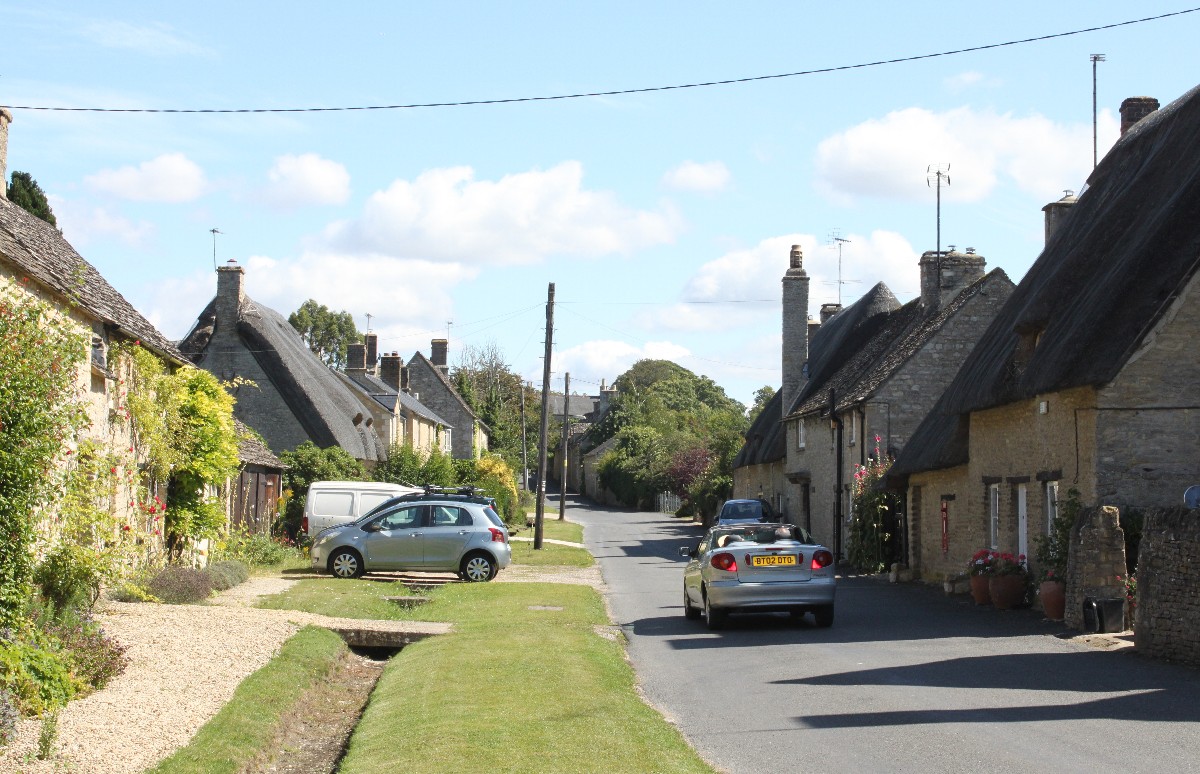
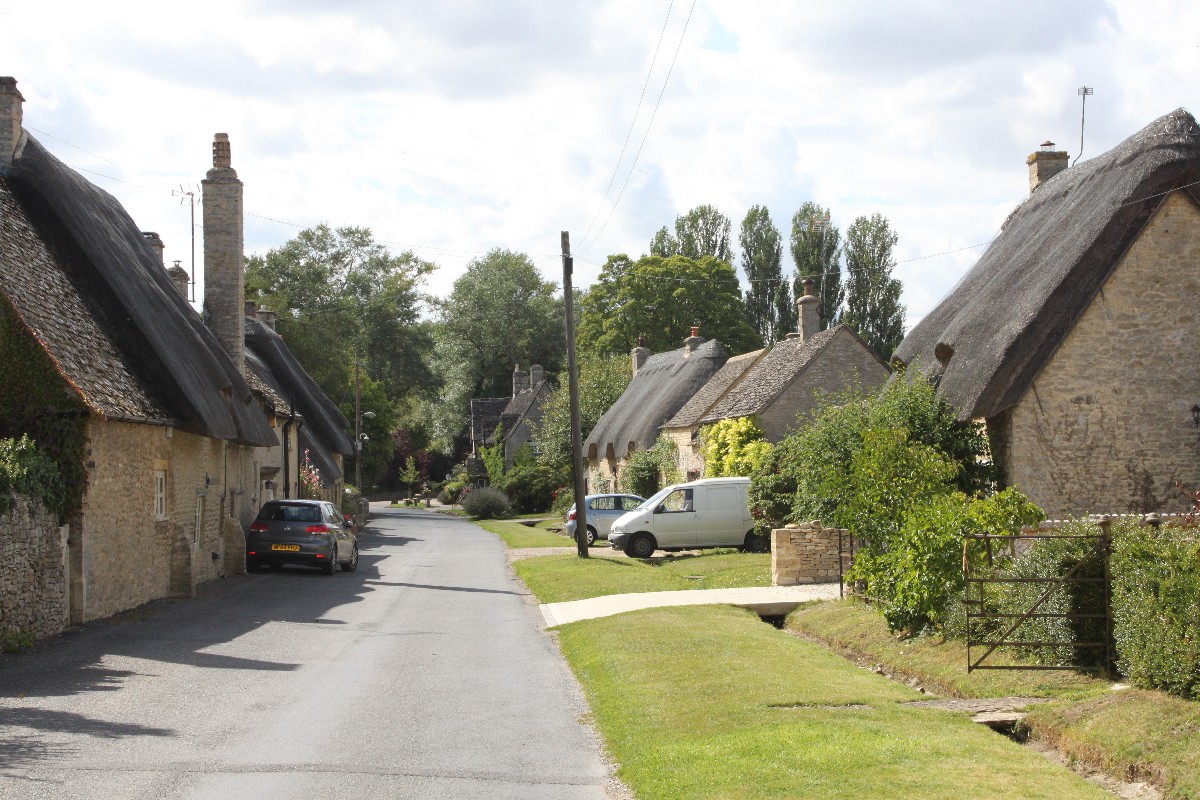
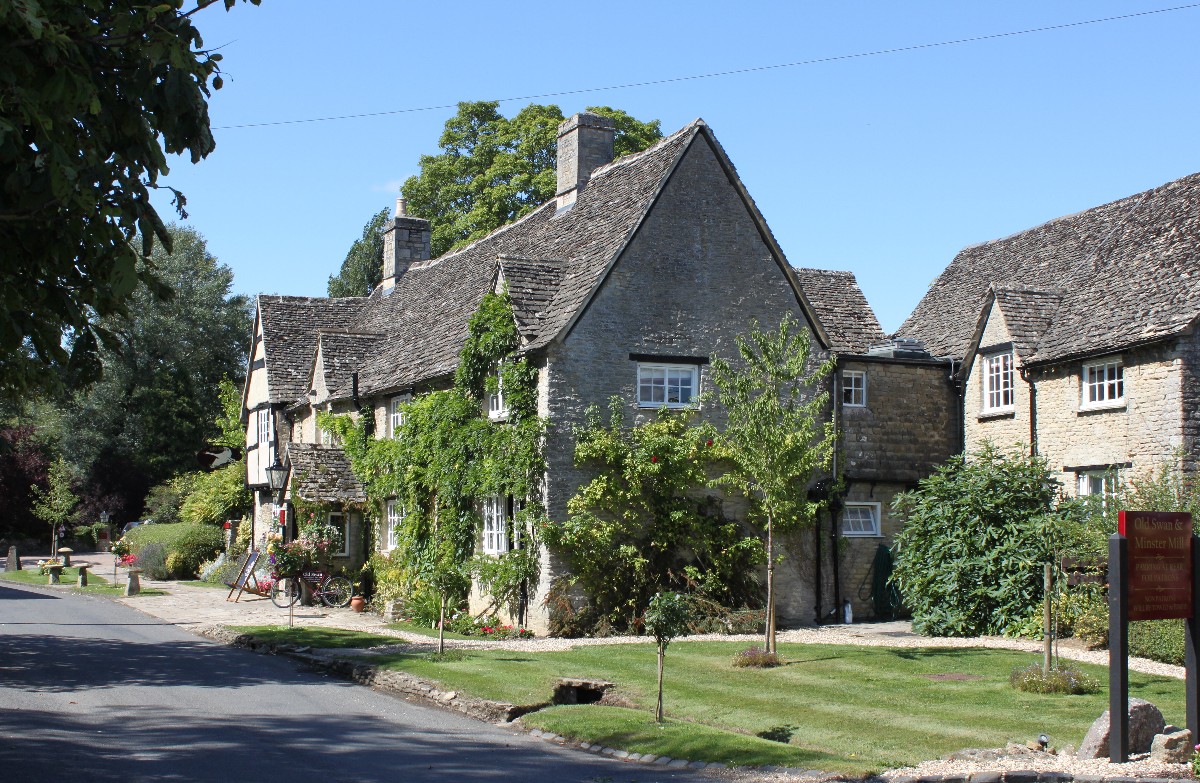
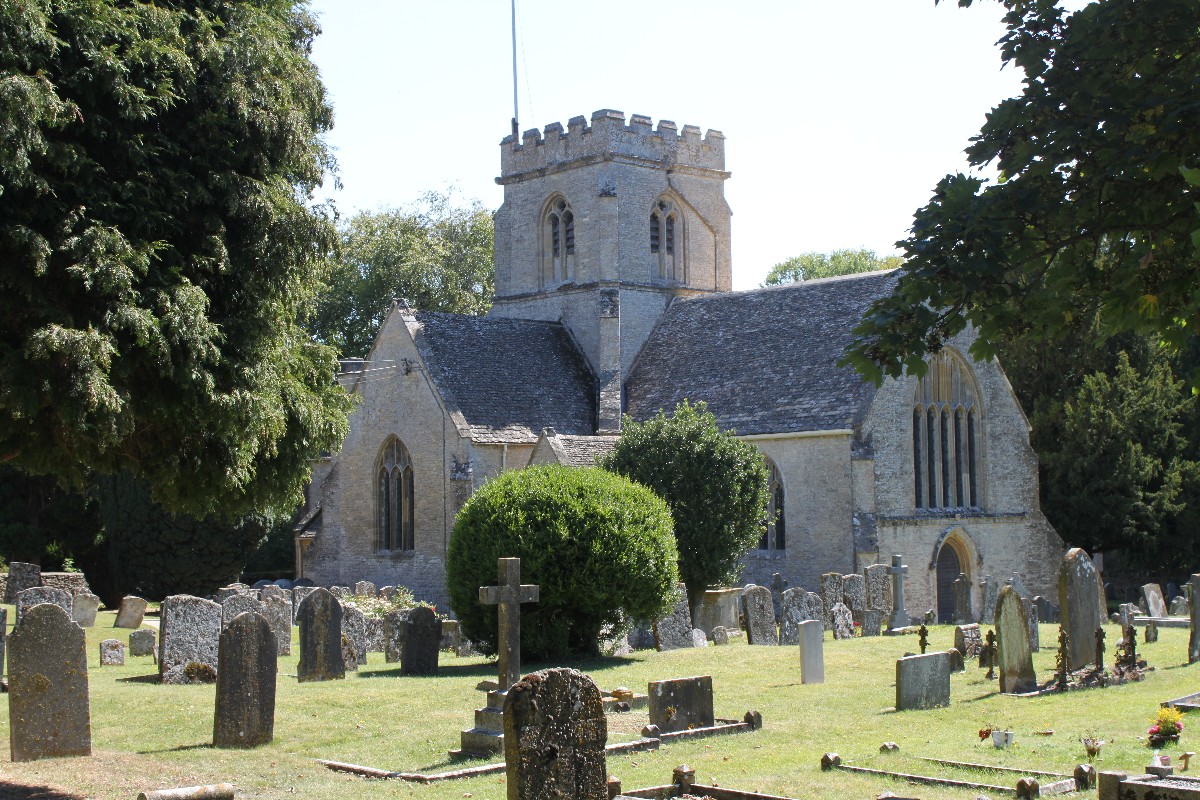
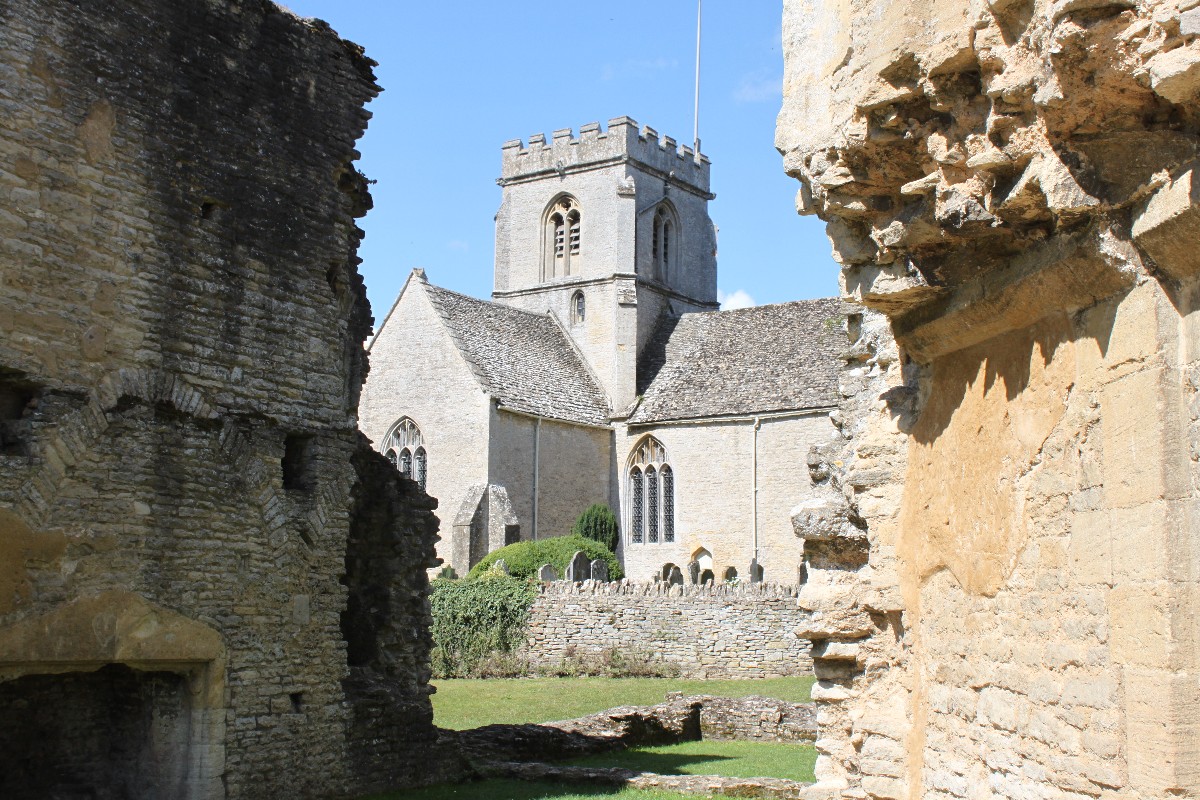
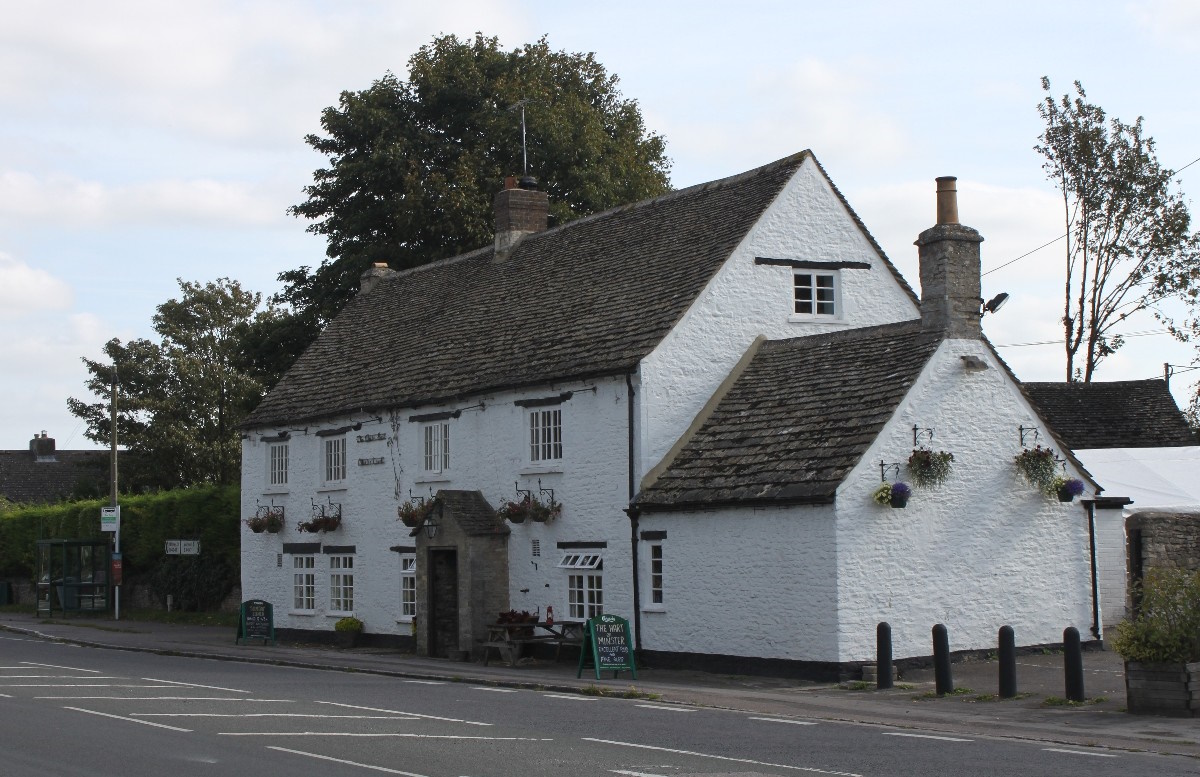
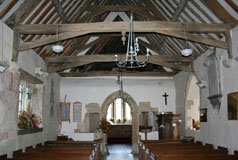
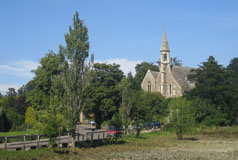
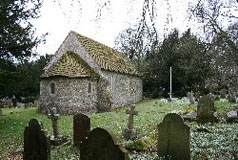
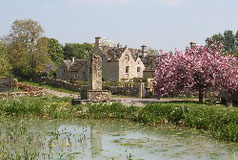
At the east end of Old Minster is St. Kenelm's Church. The present building was constructed in 1450 on the site of an earlier 12th century church. For the history and full information about St. Kenelm's Church click here. St. Kenelm was a Saxon prince, and the name "Minster" in the name of the village suggests that the village may have had a Saxon minster. The suffix "Lovell" was added to the name from the 13th century when a William Lovel held land here.
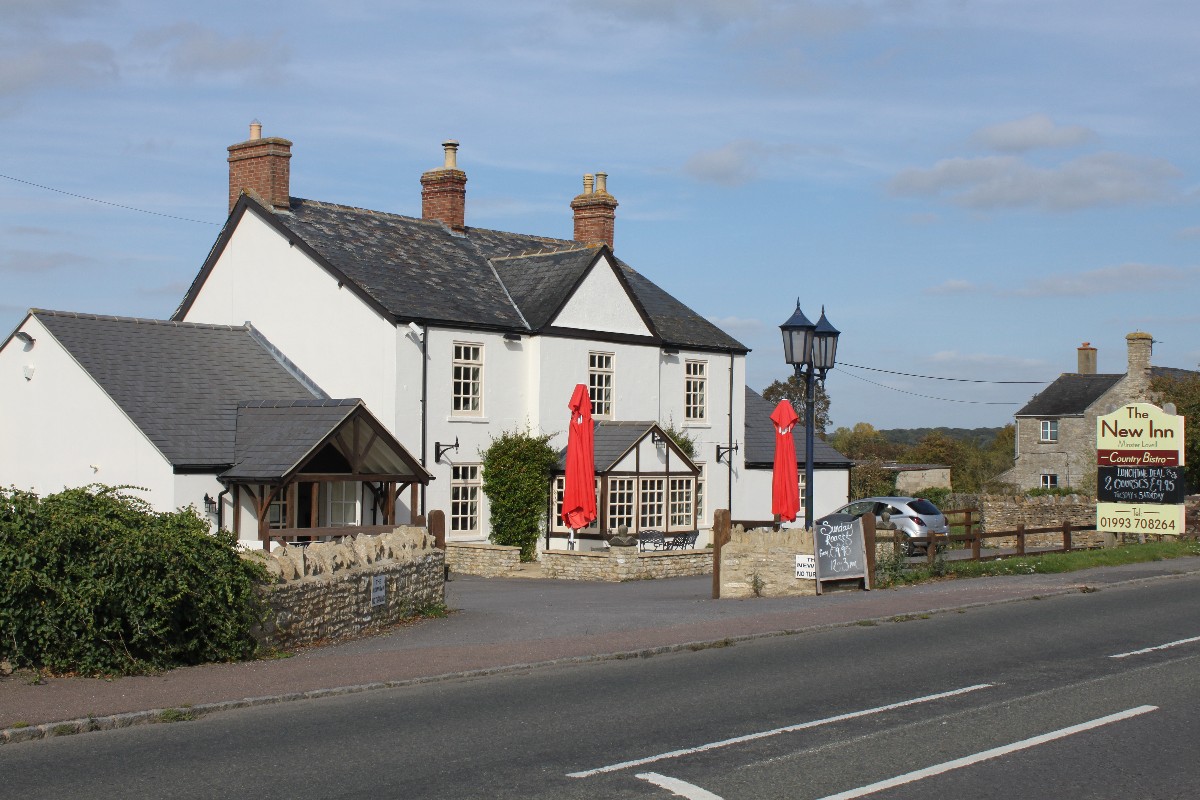
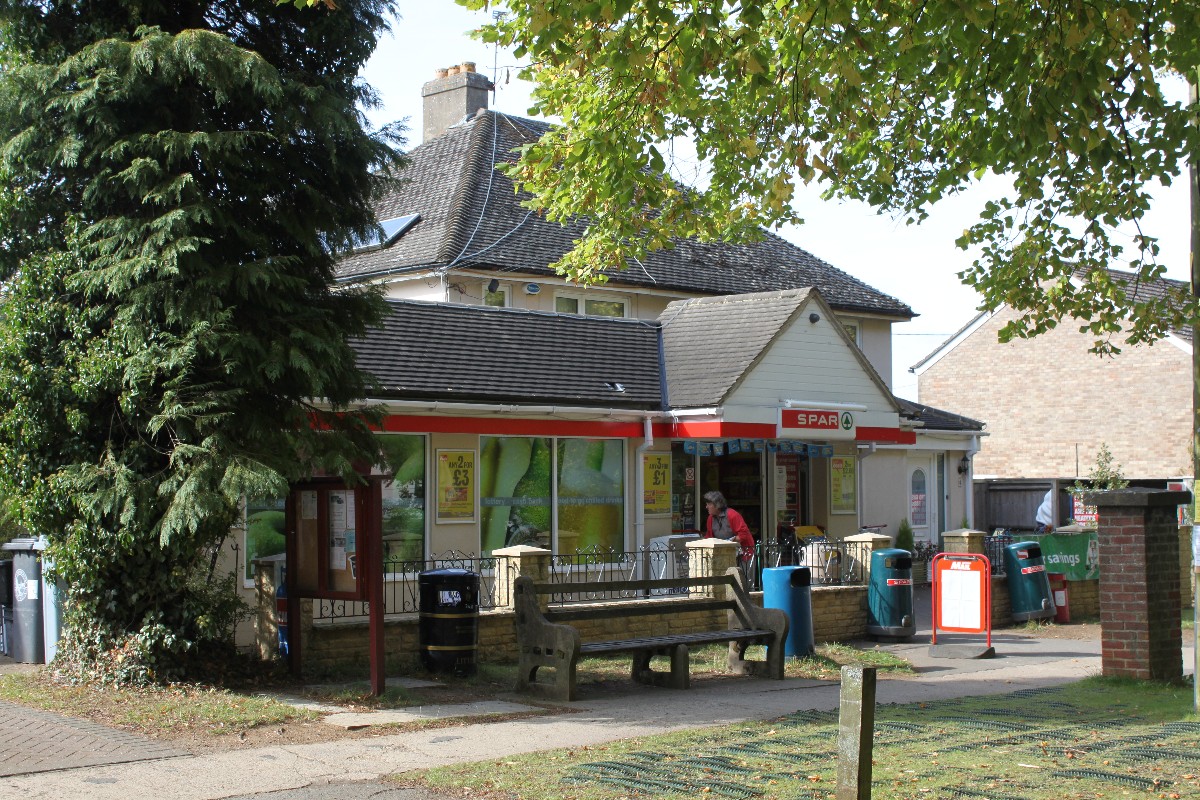
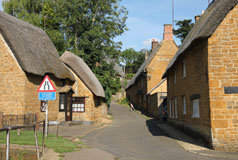
A large part of New Minster is the site of the Charterville Allotments, an estate of smallholdings founded by the Chartists in 1846-50 built to rehouse city dwellers in the countryside to make them more self-sufficient and to qualify them for the vote through the ownership of land. The experiment was not a success and the estate was sold. Many of the bungalows are still recognisable today. In 1872, whilst the side of the road from Witney to Burford, was being levelled, three Anglo-Saxon burials were discovered at Minster Lovell. Two of the graves contained a shield boss, spear, knifes, brooches and ornaments and other fragments. Minster Lovell is a couple of miles west of Witney on the B4047. |
|
|||||||||||||||||||||